
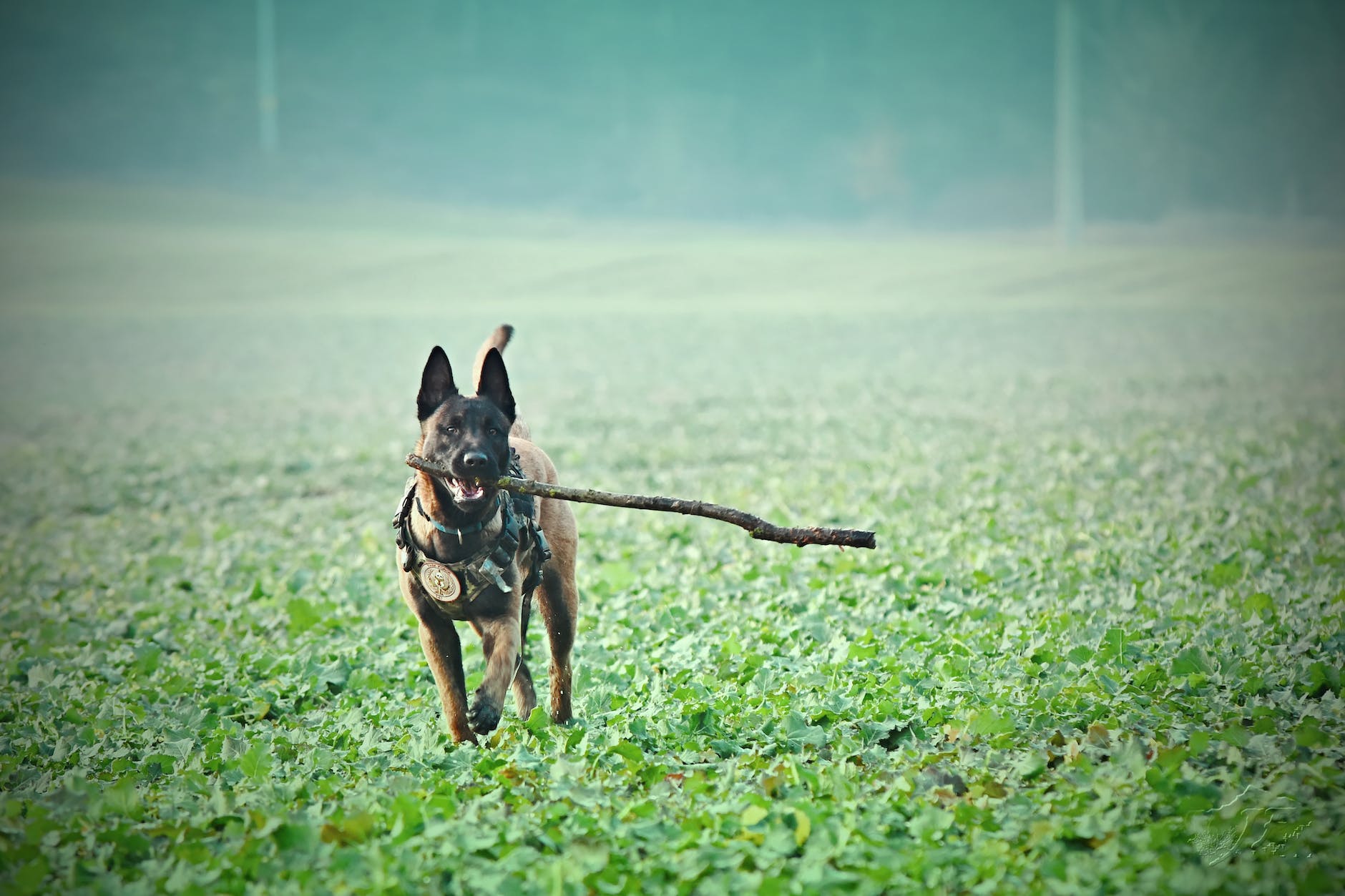
The Belgian Malinois is not your average dog. Originally bred in Belgium for herding and guarding, these dogs have become legendary in police and military work worldwide. They’re intelligent, athletic, and fiercely loyal. But here’s the reality: owning a Malinois is a lifestyle commitment, not just having a pet.
If you’re considering bringing one home or you’ve already got a Malinois and want to do right by them, this guide covers everything you need to know. From exercise requirements that’ll make your head spin to training approaches that actually work, we’ll walk you through what it really takes to care for this incredible breed.
At Belgian Malinois Store, we specialize in gear built specifically for these high-drive dogs. Let’s get into what makes them tick and how to keep them happy and healthy.
Is a Belgian Malinois right for you?
Let’s start with some honesty. According to a Sniffspot survey of nearly 10,000 Belgian Malinois owners, 97% say this breed is not suitable for first-time dog owners. That statistic alone should make you pause and really consider what you’re getting into.
The time commitment is serious
We’re talking about 2 to 3 hours of dedicated time every single day. Not optional. Not “when you feel like it.” This is a working breed that needs structure, activity, and mental engagement daily. Skip a day and you’ll likely see destructive behaviors emerge: chewing furniture, digging up your yard, or finding other creative ways to burn off that pent-up energy.
Space matters
While a Malinois can live in an apartment, it’s not ideal. These dogs thrive with space to run. A large fenced yard is the gold standard. If you’re in a smaller space, you’ll need to be even more committed to getting them out for proper exercise multiple times daily.
Experience counts
This isn’t a breed you learn on. Malinois owners consistently report that working dog knowledge is essential. You need to understand canine body language, be comfortable with firm but fair leadership, and have the confidence to set boundaries. Without this foundation, you and the dog will both struggle.
They need a job
Here’s something that catches many new owners off guard: Belgian Malinois need a job to do. This isn’t just about physical exercise. They need mental challenges, tasks to complete, and a sense of purpose. Agility training, scent work, herding exercises, or protection sports are all ways to fulfill this need.
If you’re still reading and thinking “I can handle this,” then you might be the right kind of person for a Malinois. For more on what to expect, check out our complete Belgian Malinois care guide. Wondering about family life? Read our thoughts on whether Belgian Malinois are good with kids.
Exercise and activity requirements for your Belgian Malinois
This is the big one. If you take nothing else from this guide, remember this: Belgian Malinois need a minimum of 2 hours of structured activity every day. Not a casual stroll around the block. We’re talking about real, heart-pumping exercise.
What counts as exercise?
Daily walks alone won’t cut it unless you’re running several miles. Malinois excel at high-intensity activities like:
- Running and jogging (they make excellent running partners)
- Hiking on varied terrain
- Biking alongside you (with proper training)
- Agility courses and obstacle training
- Fetch with a ball or frisbee
- Swimming (many Malinois love water)
- Tug-of-war sessions
The key word here is “structured.” Letting them out in the backyard to entertain themselves doesn’t count. They need engagement with you.
Mental stimulation is equally important
Physical exercise is only half the equation. These dogs are scary smart and get bored easily. Without mental challenges, they’ll create their own entertainment (and you probably won’t like their choices).
Mental stimulation options include:
- Puzzle toys and interactive feeders
- Scent work and nose games
- Obedience training sessions
- Learning new tricks and commands
- Hide-and-seek with toys or treats
- K9 Drive Malinois Toys designed for engagement
The consequences of skipping exercise
When a Malinois doesn’t get enough activity, you’ll know. Common behavioral issues include:
- Destructive chewing (furniture, shoes, walls)
- Excessive barking or whining
- Digging holes throughout your yard
- Attempting to escape enclosures
- Hyperactivity and inability to settle
Bottom line? A tired Malinois is a happy Malinois. For more details on exercise needs, see our guide on how much exercise Belgian Malinois need.
When you’re out being active with your Mal, the right gear makes a difference. Our BMS™ K9 Tactical Harness is built for active outings with military-grade durability and superior control for those high-intensity activities.
Training and socialization essentials for Belgian Malinois
Training a Malinois isn’t optional. It’s a requirement for having a dog you can live with. The good news? They’re incredibly trainable. The challenge? They learn so fast that you need to keep up.
Start socialization early
If you have a Malinois puppy, the socialization window is critical. Expose them to different people, dogs, environments, sounds, and situations from day one. A well-socialized Malinois is confident and manageable. A poorly socialized one can become reactive, fearful, or aggressive.
Key socialization priorities:
- Meeting people of all ages and appearances
- Interacting with other dogs in controlled settings
- Exposure to different environments (urban, rural, busy, quiet)
- Getting comfortable with handling (paws, ears, mouth)
- Positive experiences with grooming tools
Use positive reinforcement
According to the Sniffspot community data, 92% of Malinois owners recommend positive reinforcement training. These dogs want to please you. They’re sensitive to harsh corrections and respond much better to rewards, praise, and consistency.
Training tips that work:
- Keep sessions short but frequent (15-20 minutes, multiple times daily)
- Use high-value treats for difficult behaviors
- End on a positive note while they’re still engaged
- Be consistent with commands and expectations
- Train before meals when they’re food-motivated
Professional help is worth it
Even experienced dog owners benefit from professional guidance with this breed. A trainer who understands working dogs can help you:
- Establish proper leadership without force
- Channel their energy into productive behaviors
- Address any reactivity or behavioral issues early
- Learn advanced training techniques
For training resources, check out our Belgian Malinois training guide and our detailed breakdown of training commands.
The right equipment matters
Training aids can make a significant difference. Consider investing in:
- A quality BMS™ Warrior Collar for everyday wear and training
- Proper Belgian Malinois Leashes for control during training sessions
- Training treats and a treat pouch for rewards
- Interactive toys for mental engagement
Diet and feeding guidelines for Belgian Malinois
What you feed your Malinois directly impacts their energy levels, coat condition, and overall health. These are high-performance dogs and their diet should reflect that.
Nutritional requirements
Belgian Malinois do best on a high-quality diet with 25-30% protein content. As working dogs with high energy expenditure, they need more protein than your average house pet. Look for foods with meat as the first ingredient and avoid fillers like corn and wheat.
Feeding schedule
Adult Malinois typically do well with two meals per day (morning and evening). Puppies need more frequent feedings:
- 8-12 weeks: 4 meals daily
- 3-6 months: 3 meals daily
- 6+ months: 2 meals daily
Portion guidelines
Most adult Malinois need 2 to 3 cups of food daily, depending on their size, age, and activity level. A highly active working dog needs more calories than a pet Malinois who gets standard exercise. Monitor their weight and adjust portions accordingly. You should be able to feel their ribs without seeing them.
Training treats count
Since you’ll be doing a lot of training, factor treats into their daily calorie intake. Keep treats under 10% of their total daily calories to maintain a balanced diet. Use small, high-value treats during training sessions. Our portable training snack bag makes it easy to keep rewards handy during sessions.
Foods to avoid
Some human foods are toxic to dogs and should never be given:
- Chocolate and caffeine
- Grapes and raisins
- Onions and garlic
- Xylitol (artificial sweetener)
- Alcohol
- Macadamia nuts
For a more detailed breakdown of nutrition, see our Belgian Malinois diet feeding guide.
Grooming and hygiene for your Belgian Malinois
Good news on the grooming front: Belgian Malinois are relatively low maintenance compared to many other breeds. Their short, waterproof coat is designed for working in various conditions and doesn’t require professional grooming.
Coat care
Weekly brushing is usually sufficient to keep their coat healthy and manage shedding. Use a medium-bristle brush or rubber grooming mitt. This distributes natural oils and removes loose hair before it ends up on your furniture.
During seasonal shedding (spring and fall), you’ll want to brush daily for 2-3 weeks. Their undercoat “blows out” during these periods, and regular brushing helps manage the hair avalanche.
Bathing
Belgian Malinois don’t need frequent baths. Their waterproof coat actually benefits from less washing. Aim for monthly baths unless they get into something particularly dirty. Always use a dog-specific shampoo to maintain proper pH balance for their skin.
Our Oatmeal Belgian Malinois Shampoo is formulated specifically for their coat type and helps soothe skin while cleaning effectively.
Nail, ear, and dental care
Don’t overlook these basics:
- Nails: Trim every 3-4 weeks or when you hear them clicking on hard floors
- Ears: Check weekly for wax buildup, redness, or odor. Clean monthly with vet-approved solution
- Teeth: Brush 2-3 times weekly with dog toothpaste to prevent dental disease
For heavy shedders, our VacuGroom tool can be a game-changer for managing loose hair during those seasonal blowouts.
For a complete grooming routine, check out our Belgian Malinois grooming guide.
Health and veterinary care for Belgian Malinois
The Belgian Malinois is generally a healthy breed with a lifespan of 12 to 16 years. However, like all breeds, they’re predisposed to certain health conditions that responsible owners should know about.
Common health issues
Hip and elbow dysplasia are the most significant concerns. These genetic conditions affect joint development and can lead to arthritis and mobility issues. Reputable breeders screen their dogs for these conditions, so always ask for health clearances when getting a puppy.
Eye problems including cataracts and progressive retinal atrophy (PRA) can occur. Regular eye exams by a veterinary ophthalmologist can catch these issues early.
According to Sniffspot community data, owners also report:
- Digestive issues (33% of owners)
- Joint problems (30% of owners)
- Skin conditions like allergies (20% of owners)
Recommended health screenings
The American Belgian Malinois Club recommends these tests:
- Hip evaluation (OFA or PennHIP)
- Elbow evaluation
- Ophthalmologist evaluation
Preventive care schedule
Stay on top of these basics:
- Annual wellness exams (twice yearly for seniors)
- Core vaccinations per your vet’s schedule
- Year-round heartworm prevention
- Flea and tick prevention (especially important for active outdoor dogs)
- Regular dental cleanings as recommended
Signs to watch for
Contact your vet if you notice:
- Limping or difficulty getting up
- Cloudiness in the eyes
- Excessive scratching or skin irritation
- Changes in appetite or energy levels
- Digestive issues lasting more than 24 hours
For more health information, visit our Belgian Malinois health guide or read about 9 common Belgian Malinois health issues. Curious about longevity? See our article on Belgian Malinois lifespan.
Essential gear for your Belgian Malinois
Having the right equipment makes caring for your Malinois easier and safer. Given their strength, intensity, and activity level, standard pet store gear often doesn’t cut it.
Harness vs collar
For daily walks and training, many Malinois owners prefer harnesses for better control and to reduce strain on the neck. However, a good collar is still essential for identification tags and certain training scenarios.
Our BMS™ K9 Tactical Harness is built specifically for strong, high-drive dogs like the Malinois. It features military-grade nylon, MOLLE attachment points, and superior control handles for those moments when you need extra grip.
Browse our full selection of Belgian Malinois Harnesses to find the right fit for your dog.
Weather protection
Belgian Malinois have a double coat that handles cold reasonably well, but extreme weather calls for extra protection:
- The Ruff Weather Jacket provides waterproof protection for cold, wet conditions
- The K9 Commando Tactical Vest offers versatility with MOLLE compatibility for working dogs
Training equipment
Quality training gear makes sessions more effective:
- Durable leashes that can handle strong pulling
- Training treats and portable storage
- Interactive toys for mental stimulation
- Bite toys for appropriate chewing outlets
Check out our complete range of Belgian Malinois Accessories for everything you need. For a detailed breakdown of gear options, see our Belgian Malinois gear guide.
Get the right gear for your Belgian Malinois
Taking care of a Belgian Malinois is a significant commitment. We’re talking about 2-3 hours of daily exercise, consistent training, ongoing socialization, and the right nutrition. It’s not a lifestyle that fits everyone.
But for those who can meet their needs, the rewards are incredible. A well-cared-for Malinois is loyal beyond measure, protective of their family, and capable of feats that will amaze you. They’re not just pets. They’re partners.
At Belgian Malinois Store, we understand these dogs because we live with them too. Our gear is designed specifically for the strength, intensity, and unique needs of the Belgian Malinois. From tactical harnesses that give you superior control to toys that can withstand serious play, we’ve got what you need.
Ready to gear up? Shop all our products and give your Mal the equipment they deserve. Built tough. Just like them.
Frequently Asked Questions
Is a Belgian Malinois a good choice for first-time dog owners?
According to 97% of Malinois owners surveyed, this breed is not recommended for first-time owners. They require extensive experience with working dogs, significant time commitment (2-3 hours daily), and confident leadership.
How much daily exercise does a Belgian Malinois need?
Belgian Malinois need a minimum of 2 hours of structured activity daily. This includes high-intensity exercise like running, hiking, or agility work, plus mental stimulation through training and puzzle toys.
What type of diet is best for a Belgian Malinois?
A high-quality diet with 25-30% protein content is ideal. Feed adult dogs twice daily (2-3 cups depending on activity level) and choose foods with meat as the first ingredient.
Are Belgian Malinois easy to train?
Yes, they’re highly trainable and eager to please. However, they learn quickly and need consistent, ongoing training. Positive reinforcement works best with this sensitive, intelligent breed.
What health issues are common in Belgian Malinois?
Hip and elbow dysplasia are the primary concerns. They’re also prone to eye problems like cataracts and PRA. Regular health screenings and maintaining a healthy weight help prevent issues.
How long do Belgian Malinois typically live?
With proper care, Belgian Malinois live 12-16 years. Regular veterinary care, proper diet, and adequate exercise contribute to a long, healthy life.

 No products in the cart.