
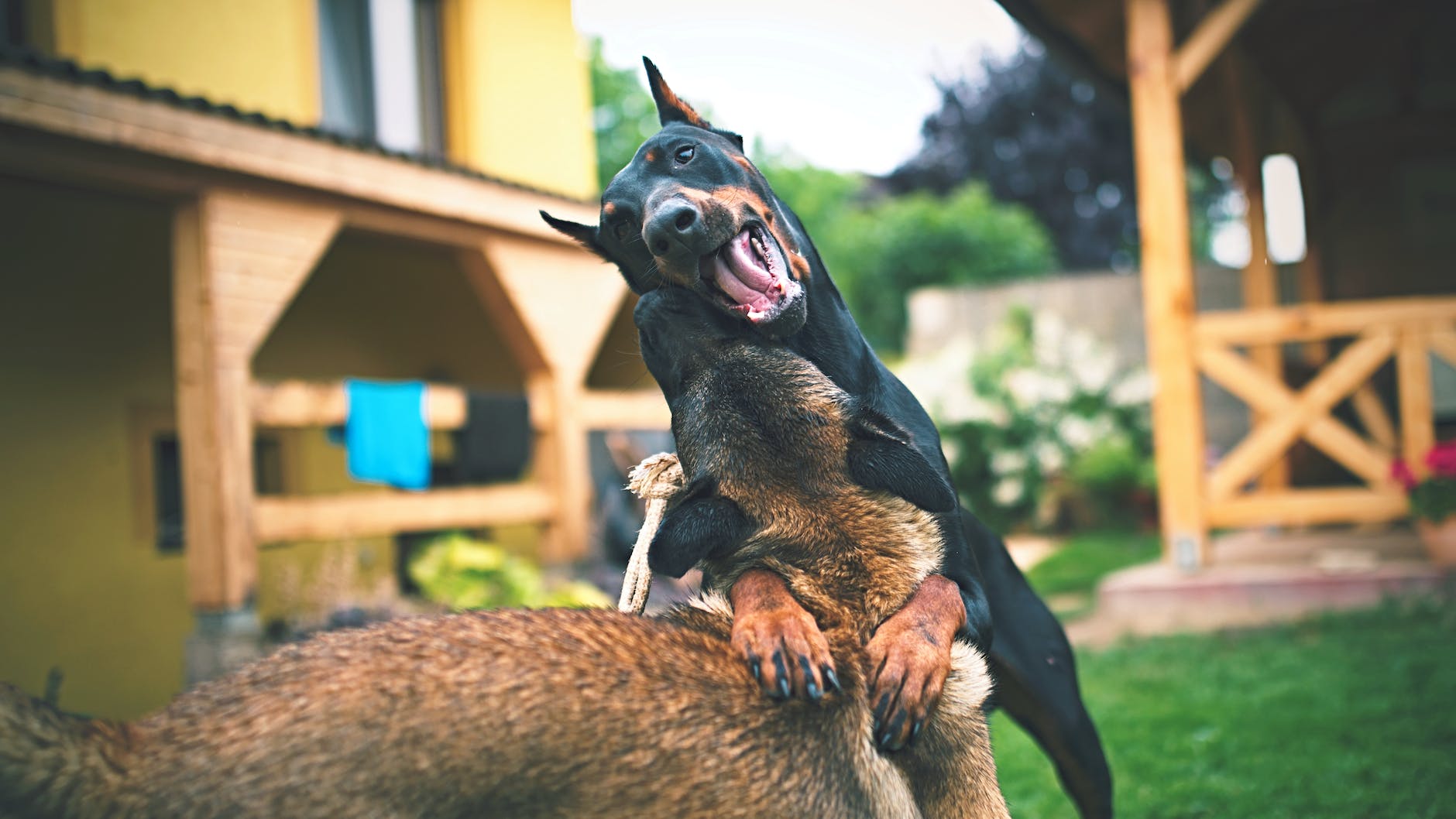
If you’ve just welcomed a Belgian Malinois into your home, you’ve probably already noticed one thing: this is not a “lazy Sunday on the couch” type of dog.
Belgian Malinois are watch dogs, they’re quick learners, quick movers, and quick to react. If they’re not given something to occupy their minds and bodies, they’ll generally invent their own activity – such as chewing your favorite shoes, herding family members, barking at every rustle of wind, or chasing the vacuum cleaner!
For that reason, Belgian Malinois training needs to be started from the moment you bring him home. It shouldn’t be delayed until he’s 6 months of age, or after he has been trained how to yank your arm off while you’re walking him, or after these unwanted behaviors become ingrained.
The good news is, for any new dog owner, it doesn’t mean that you have to train your dog as if you’re a K9 unit from day one. Initial training is not about complex obedience drills, rather, it’s about building trust, setting basic ground rules, and helping your Belgian Malinois learn to live comfortably and responsibly in your home.

So, When Should You Start Training a Belgian Malinois?
You can begin training a Belgian Malinois puppy as soon as they are around 8 weeks old – which is roughly when puppies usually go to their new homes.
At this point, your Malinois puppy is still very much a baby. This means you should keep your training sessions gentle, brief, and positive. Think less of strict obedience training in your living room and more about learning through daily activities.
Your main focus in the early stages should simply be helping your Malinois understand that listening to you earns rewards. These can be in the form of treats, toys, verbal praise, playtime, meals or anything your dog is interested in.
Belgian Malinois are incredibly intelligent dogs, but they still need a good reason to want to collaborate with you – they are not dogs that will perform repetitive and boring commands simply because you’ve asked them to.
For novice owners, this is an essential point to remember. A Malinois needs structure in its life, but not brutality; it needs leadership, but not intimidation; it needs rules, but a whole load of patience.
Why Early Training Is So Important
Belgian Malinois are working dogs, originally bred to handle tasks requiring high focus, courage, energy, and motivation. That’s why you so frequently see them in police work, military roles, protection sports, search and rescue, and high-level obedience competitions.
At home, those traits can be phenomenal… As long as they’re channeled correctly. Without training and direction, a Belgian Malinois can easily become too much. They might jump on guests, nip at hands during play, chase after passing cars, pull like a freight train on the leash, possess a ferocious toy guarding instinct, bark incessantly, or become incredibly destructive when left to their own devices for too long.
More often than not, this is due to a dog who’s being a dog – just a very motivated one who’s feeling confused, undersimulated, or being given more responsibility than they can handle at the wrong stage of life.
Training gives your Belgian Malinois a clear path. It tells them:
“This is what I want from you.”
“This behavior brings rewards.”
“This is how we play.”
“This is how we rest.”
“This is how we walk together.”
If you want to go deeper into basic obedience later, this guide on Belgian Malinois training commands and K9 training is a helpful next step.
The First Lessons Every Belgian Malinois Should Learn
When you bring home a Belgian Malinois puppy, it can be tempting to teach everything at once. Sit, stay, down, heel, come, place, leave it, drop it, crate training, leash walking… it’s a lot.
But puppies learn best when lessons are simple and repeated often.
Here are the first lessons I’d focus on with a young Belgian Malinois.

1. Name Recognition
Your puppy’s name should mean one thing: “Look at me, something good is coming.”
Say your puppy’s name in a happy voice. When they look at you, reward them with a small treat, toy, or praise.
Do this many times during the day. Keep it easy. Don’t use their name when you’re angry or frustrated. You want your Malinois to love hearing their name, not avoid it.
This is the first step toward better focus and recall.
2. Focus or “Watch Me”
Belgian Malinois are a lot like living, breathing alarm clocks. See that squirrel moving? That car that just drove by? That kid on the bike? That trash can that just took flight in the wind?
That’s all stuff that their brains will automatically log and process. It’s constantly on.
And that’s why training “watch me” is one of the most valuable skills you can teach a young Malinois. To do this, hold a treat out in front of your face and simply say “watch me.”
The instant your dog looks at your face, reward them. Begin indoors where there aren’t a lot of distractions, then move the game outside to the yard and eventually to even quieter public places. The point of this exercise is to train your Malinois that checking in with you feels good, even in the face of something much more interesting in their environment.
3. Sit
“Sit” is simple, but it’s also very useful.
Ask your Belgian Malinois to sit before meals, before going outside, before getting a toy, or before greeting someone. This helps teach impulse control.
And with this breed, impulse control matters a lot.
A Malinois that learns to pause and think before reacting will be much easier to live with than one that believes every exciting moment requires jumping, barking, or grabbing.
4. Come
Recall is one of the most important commands your Belgian Malinois will ever learn.
Let’s start you out at home, telling your dog to “come” in a happy tone and rewarding them for doing so. Don’t, however, call your dog to come and clip their nails, stop playtime all of the time, or anything that they may not like. We want for your dog to associate coming to you with positive things and feeling safe.
To begin, use high-value treats. In the case of some Malinois, a toy can sometimes be even more enticing than a treat. A tug, ball, or a short play session with your Mal could be all the reinforcement that your dog needs.
5. Leave It
“Leave it” can protect your dog from grabbing something dangerous, eating something from the ground, or stealing things around the house.
Hold the first treat in your fist. Let your puppy sniff your closed fist. As soon as they give up and walk away, give them a different treat from your other hand.
The message: ignore this now, and you can get that instead.
It’s one of the first skills a new dog owner needs. It’ll save you from a lot of common headaches!
6. Drop It
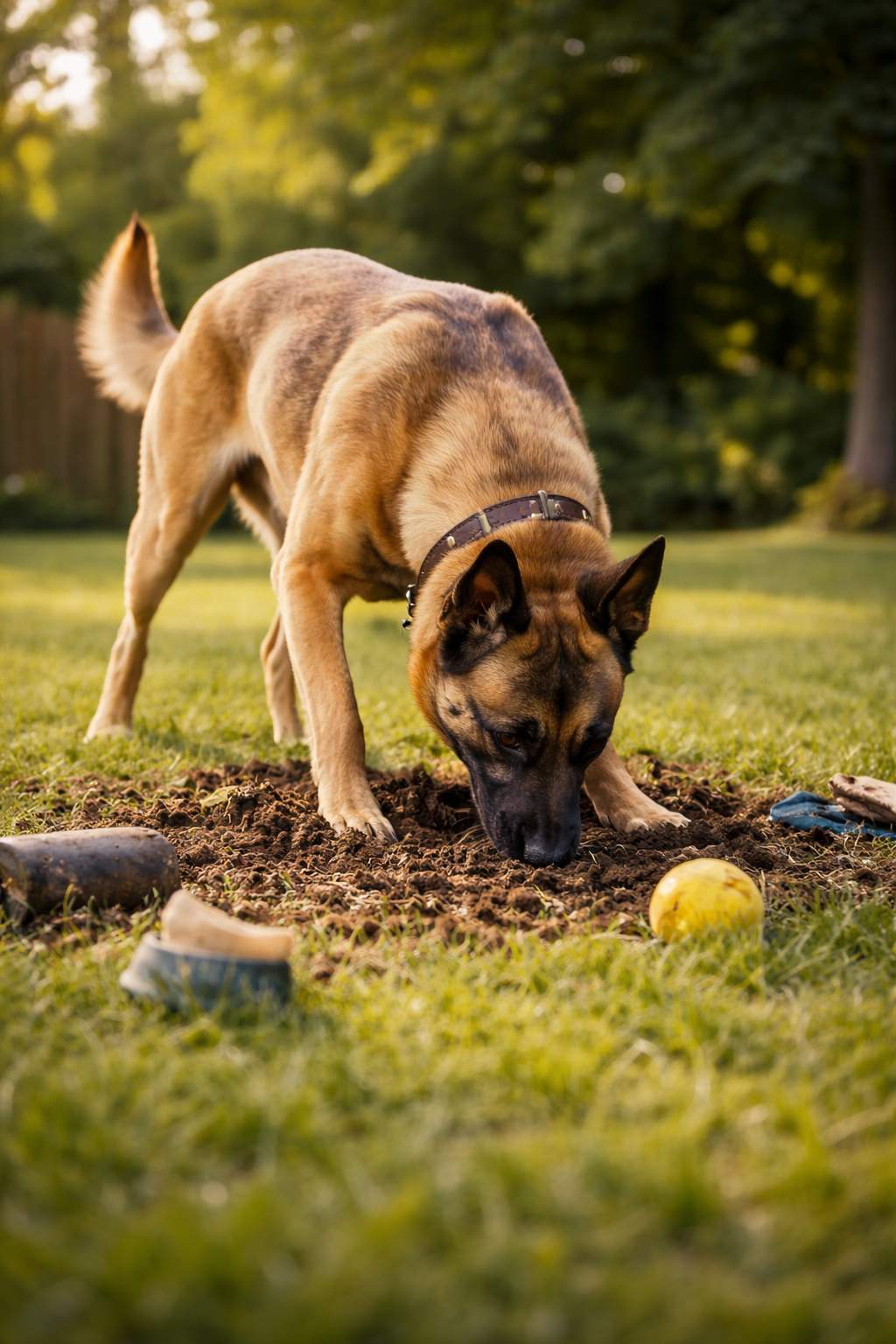
Belgian Malinois puppies love using their mouths. They bite toys, tug, carry things, and sometimes grab items they shouldn’t.
“Drop it” teaches them to release objects safely.
Offer a toy, let your dog hold it, then show a treat and say “drop it.” When they release the toy, reward them. Over time, you can use another toy instead of food.
This is especially useful for Malinois dogs because many of them are very toy-driven.
7. Leash Manners
When should you start leash training your Belgian Malinois? As soon as possible. No need to wait until your puppy is older and bursting with energy.
Start at home with a light collar or harness for a few minutes a day. Reward calm, quiet behavior, and gradually attach a leash. Work on walking indoors, making it a relaxed and positive experience.
Remember, 9-week-old Belgian Malinois are not going to be masters at the heel, the aim is simply to teach them walking on a leash is preferable to tugging and pulling on you.
As your dog grows, the right gear can also help with comfort and control. You can read more about that in this guide to the best K9 tactical harnesses for Malinois.
8. Crate Training
Now let me tell you, one of the most wonderful things you can do for your Belgian Malinois puppy is crate train him. Not because you want to “trap him,” but because this particular breed needs to learn how to settle down.
You will find that many Malinois pups are not “off” switch types. They’ll keep going until they have had enough, overstimulate themselves, and become feral.
A crate can become your pup’s sanctuary where they sleep, unwind and can take a “time out”. Begin a crate training journey by throwing treats in the crate. Feed your pup some of his meals in or around his crate and let him become familiar with it.
9. Calm Behavior
This may sound strange, but calmness is a skill.
Many new dog owners accidentally reward excitement all day long. The puppy jumps, bites, barks, or acts wild, and everyone gives attention. Then, when the puppy lies quietly, nobody notices.
Try to reward calm moments, too.
When your Belgian Malinois lies down peacefully, softly praise them or place a treat near them. Teach them that calm behavior also brings good things.
How Long Should Training Sessions Be?
For young puppies, training sessions should be very short. Three to five minutes is enough.
You can do several mini-sessions throughout the day. That works much better than one long, boring session.
For older puppies and young adults, 10 to 15 minutes of focused training is usually enough. Belgian Malinois dogs are smart, but they can get frustrated if the lesson is too repetitive.
A good daily routine can include:
- Short obedience practice
- Potty training
- Leash practice
- Tug or fetch
- Chew time
- Food puzzle
- Crate rest
- Calm socialization
- Short walks or controlled exercise
Exercise is important, but don’t forget mental stimulation. A Belgian Malinois needs both. If you’re not sure how much activity is enough, this article on how much exercise Belgian Malinois need can help you build a better routine.
How to Deal With Belgian Malinois Stubbornness
Many new owners say, “My Belgian Malinois is stubborn.”
But in many cases, the dog is not truly stubborn. They may be confused, bored, overstimulated, tired, or not motivated enough.
Before you label your dog as stubborn, ask yourself:
Does my dog understand the command?
Is the environment too distracting?
Am I using a reward my dog actually likes?
Have I practiced this enough at home first?
Am I being consistent?
Is my dog tired or too excited?
Belgian Malinois dogs are not usually lazy learners. They are intense learners. If something is unclear, boring, or unrewarding, they may choose another activity.
Make the Reward Better
A dry piece of kibble may work in your kitchen. It may not work outside near dogs, people, cars, and new smells. For these more challenging scenarios, you’ll want to step up your rewards game. That might mean chunks of chicken, turkey, cheese, freeze-dried liver, or even one of your dog’s favorite training treats. If you have a toy-motivated pup, this could be a favorite tug toy, tennis ball, or quick game of fetch. Basically, you want your reward to be proportionate to the difficulty of the task.
Keep Rules Consistent
Belgian Malinois learn patterns very quickly.
If jumping on guests works sometimes, they will try it again. If pulling on the leash gets them to the park faster, they will pull again. If barking brings attention, barking becomes useful.
This is why consistency matters so much.
Decide what your house rules are and stick to them. Everyone in the family should follow the same rules.
Do Not Use Harsh Training
Belgian Malinois are strong dogs, but they are also sensitive in their own way. Harsh corrections, yelling, or fear-based training can damage trust and create more problems.
Positive reinforcement does not mean letting your dog do whatever they want. It means teaching clearly, rewarding good choices, managing the environment, and setting fair boundaries.
For serious behavior issues, aggression, extreme fear, or strong reactivity, it’s best to work with a qualified dog trainer who understands working breeds.
Best Motivational Tools for Belgian Malinois Training
The best motivational tools for Belgian Malinois training are usually treats, toys, praise, and play.
But with this breed, toys and treats are often the biggest winners.
Treats
Treats are excellent for teaching new behaviors. They are quick, clear, and easy to use.
Choose treats that are:
- Small
- Soft
- Easy to chew
- Strong-smelling
- More exciting than regular food
Use treats for name recognition, sit, come, leave it, crate training, grooming practice, and socialization.
Tug Toys
Tug toys are fantastic for many Belgian Malinois dogs. They satisfy the dog’s natural desire to grip, pull, and play with you.
A tug toy can be used as a reward after a command. For example, ask for “sit,” then reward with a short tug session.
Just keep the game structured. You start the game, you control the toy, and you teach your dog to release it when asked.
Balls
Many Malinois dogs love balls. A ball can be a powerful reward for recall, focus, and outdoor obedience.
Ask for a command, then throw the ball as a reward. This turns training into a fun game.
Just avoid too much intense jumping or repetitive high-impact fetch with young puppies because their joints are still developing.
Puzzle Toys
Puzzle toys are great for mental stimulation. They help your dog use their brain and work for food.
Use puzzle toys during quiet time, rainy days, crate training, or when your dog needs something calming to do indoors.
Chew Toys
Chew toys are helpful for puppies, especially during teething. They also give your Belgian Malinois an appropriate outlet for mouthy behavior.
Choose durable toys and always supervise your dog with anything new.
Socialization Is Part of Training
For a Belgian Malinois puppy, socialization is just as important as obedience.
But socialization does not mean forcing your puppy to meet every person and every dog. It means giving them positive, controlled exposure to the world.
Let your puppy calmly experience different sounds, surfaces, people, places, and situations.
This can include cars, bicycles, children playing, people wearing hats, vet clinics, grooming tools, stairs, elevators, and outdoor noises.
Reward calm behavior. Keep distance when needed. Don’t push your puppy into situations that scare them.
A confident Belgian Malinois is easier to train than a fearful one.
Does Gender Affect Training?
Some new owners wonder whether male or female Belgian Malinois dogs are easier to train.
The truth is that personality matters more than gender. Some males are very intense and powerful. Some females are more independent and sharp. But there are also soft males, bold females, calm dogs, and very high-drive dogs in both sexes.
Both male and female Malinois need structure, exercise, mental work, socialization, and consistent training.
If you are still deciding which one fits your lifestyle better, you can read this guide on Belgian Malinois male vs female dogs.
FAQ About Belgian Malinois Training
What age should I start training my Belgian Malinois?
You can start training your Belgian Malinois at around 8 weeks old. Begin with simple lessons such as name recognition, potty routine, crate training, sit, come, and gentle handling. Keep sessions short and positive.
Are Belgian Malinois easy to train?
Belgian Malinois are very intelligent and fast learners, but they are not always easy for beginners. They need consistency, exercise, mental stimulation, and clear rules. Without structure, they can become too intense or difficult to manage.
What should I teach my Belgian Malinois first?
Start with name recognition, focus, sit, come, leave it, drop it, leash manners, crate training, and calm behavior. These lessons help build a safe and practical foundation for everyday life.
How long should I train my Belgian Malinois every day?
Puppies do best with several short sessions of 3 to 5 minutes. Older puppies and adult dogs can handle 10 to 15 minutes of focused training at a time. Daily training should also include play, walks, rest, and mental stimulation.
Why is my Belgian Malinois so stubborn?
Your Belgian Malinois may seem stubborn if they are bored, confused, overstimulated, under-exercised, or not motivated by the reward you are using. Try using better treats, favorite toys, shorter sessions, and clearer commands.
What are the best rewards for Belgian Malinois training?
The best rewards are usually high-value treats, tug toys, balls, puzzle toys, chew toys, praise, and play. Many Belgian Malinois dogs are very toy-driven, so a tug toy or ball can sometimes work better than food.
Should I use treats or toys for training?
Both can work well. Treats are great for teaching new commands, while toys are excellent for building excitement, focus, and drive. The best choice depends on what your dog loves most.
Can a Belgian Malinois be trained by a first-time dog owner?
Yes, but it requires commitment. A first-time owner should learn about the breed, start training early, stay consistent, and consider working with a trainer who understands working dogs. Belgian Malinois are not low-effort dogs, but with the right approach, they can become loyal and well-trained companions.


 No products in the cart.
Comments (2)