
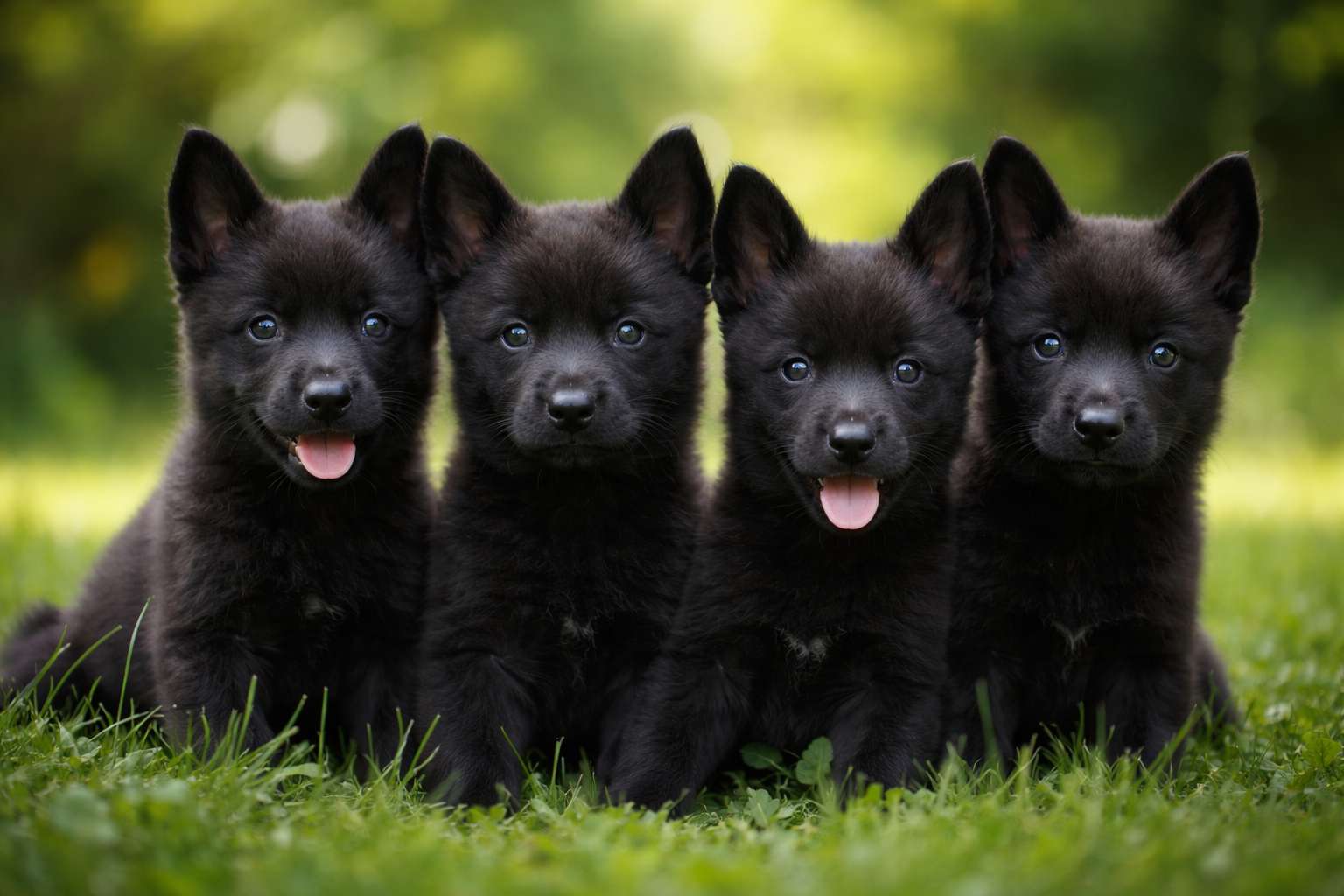
Black Belgian Malinois are a striking and unusual variant of the Belgian Malinois breed. These dogs have the same athletic build and working-dog lineage as standard-colored Malinois, but their coat is almost entirely black. We’ll explore what makes black Malinois unique, how rare they are, typical prices, and where to find one – as well as whether this high-energy breed is a good match for first-time dog owners.
A solid black Belgian Malinois often turns heads. In structure and temperament, they are just like any other Malinois – lean, muscular, and bred for working roles. But unlike the usual fawn-to-mahogany coats, black Malinois dogs have coats that are jet-black (sometimes with tiny tan patches).

Appearance and Coat Color of a Black Belgian Malinois
By body type, a black Belgian Malinois looks identical to any Malinois: an athletic, medium-to-large shepherd dog with upright ears and an intelligent gaze.
The difference is purely in the fur color. A solid black Belgian Malinois has an almost entirely black coat and mask, whereas a typical Malinois is fawn, mahogany, or reddish with a black overlay and mask.
Some black Malinois may show a few faint tan or brown spots on the chest or paws, but most of the body is true black. The hair is short and smooth (unlike the long-haired Belgian Shepherd), so their coat is relatively easy to groom.
It’s important not to confuse a black Malinois with a Belgian Shepherd (Groenendael). Both breeds can be all-black, but Groenendaels have long, fluffy coats. On the other hand, Malinois have shorter, sleeker hair. For example, if you see a solid black Belgian dog with a long, luxurious coat, that’s almost certainly a Groenendael (often called a Belgian Shepherd) rather than a Malinois. The Malinois is leaner and more agile, with a short coat that lies close to the body. In summary: a pure “all black Belgian Malinois” will usually have the body shape of a Malinois but only the coat color of a Shepherd, making it very distinctive.

Are Black Belgian Malinois Rare?
According to Kennel Club standards, an all-black coat is not allowed for Belgian Malinois. Both the American Kennel Club (AKC) and the international FCI standard specify that Malinois must be fawn (ranging from light tan to rich mahogany) with a black overlay and mask.
In fact, the FCI standard explicitly states: “Malinois: Only fawn with black overlay and with black mask”. Any other color (including solid black) is technically a fault. That’s why breeders typically do not breed for black coats, so black pups are very unusual.
Because black is non-standard, most breeding programs avoid it. When it does appear, it’s often due to recessive genes or an unknown cross with a black dog (sometimes black German Shepherd blood).
This also means you must be cautious: some breeders might market a black puppy as “purebred AKC-registered,” but if the AKC standard forbids that color, such claims are suspect.
So, before buying a black Mal puppy, we recommend you ask for pedigree documentation or genetic proof if a breeder insists on selling a “pure” black Malinois. Some black-coated dogs sold as Malinois may, in fact, be mixed-breed or misidentified as Shepherds.
Because of these factors, black Belgian Malinois are truly rare. In fact, breeders do their best to avoid producing these pups. That’s why they’re considered rare even though they’re aren’t in fact rare. Finding a black Malinois is a bit like stumbling upon a unicorn – it can happen, but it’s not something breeders seek out.

Black Malinois Size
Size-wise, the Black Belgian Malinois is exactly the same as any other Malinois. Males usually stand between 24-26 inches at the shoulder, while females are slightly smaller at 22-24 inches.
When it comes to weight, these dogs are incredibly lean yet powerful. A healthy male will typically weigh 60-80 pounds, while females come in around 40-60 pounds.
READ ALSO: Belgian Malinois Male Vs Female
Black Belgian Malinois Lifespan
Like their standard-colored counterparts, Black Belgian Malinois have an average lifespan of 12-14 years. With the right care, some can even live beyond 15 years.
I once had a friend with a Belgian Malinois who lived to be 16 years old! This dog was still energetic at 12, running around like a puppy. The key? A healthy Malinois diet, regular exercise, and plenty of mental stimulation.
Price and Where to Find a Black Malinois
If you do find a black Malinois puppy, expect to pay a premium. Even standard Belgian Malinois puppies are expensive (often in the mid-thousands of dollars), and the extra novelty of a black coat can push the price even higher. For example, a typical fawn Malinois from a good breeder might sell for $1,500–$3,000, while a rare all-black Malinois could command anywhere from $2,500 up to $9,000 or more. If you see a “rare black” Malinois advertised for very cheap, it’s wise to be suspicious of the seller.

Rescues and Shelters
The safest way is often through a Belgian Malinois rescue group. While black Malinois are rare, Malinois rescues (like American Belgian Malinois Rescue or Woof Project) sometimes have solid-colored dogs that are black or mostly black. Adopting an adult is beneficial because you know the dog’s true color and temperament already, and it’s giving a home to a dog in need.
Specialty Breeders
Some breeders in Europe or elsewhere do keep black lines. For example, the Dutch (NVBK) or Polish lines occasionally produce black Malinois. If you search online, you might find specialized kennels advertising “black Malinois puppies”. Always do due diligence: verify health clearances (for hips, elbows, eyes) and registration papers. Because AKC doesn’t recognize the color, a truly pure-bred black Malinois may only be registered in countries with different kennel rules (or simply unregistered).
Word of Mouth and Clubs
Join Belgian Malinois owner groups and forums. First-hand recommendations are invaluable. Experienced breeders and owners often share leads on upcoming litters. If you’re flexible, keep an eye on litters of Malinois puppies; occasionally a black pup might appear unexpectedly, even if parents were standard-colored. However, know that puppy coats can change: some young Malinois look very dark but lighten as they grow. Adopting an older puppy or young adult is a better way to be sure the dog will stay black.
Temperament and Suitability for First-Time Owners
Belgian Malinois are famous for their intelligence, energy, and work drive. A black Malinois shares all those traits – the color doesn’t change the temperament. These dogs are highly trainable and loyal, often forming strong bonds with their owners.
They have been used by police and military around the world thanks to their bravery and focus. However, these same qualities mean Malinois are not beginner-friendly. They require a strong pack leader who will know how to keep them under control. Thanks to their prey instinct, black Malawa dogs constantly thrive on having a job to do and need constant stimulation.
If you don’t provide them with enough exercise and help them spend their pent-up energy, then you can expect chaos at home. They’ll chew on furniture, clothes, shoes, and other home items they find when spending time alone. It’s not surprising why some people call them maligators.
Without firm, consistent training and lots of activity, even the friendliest Malinois can become destructive or anxious
Black Mal is not a good pick for first-time owners
For first-time dog owners, this means caution. They’re simply not for someone who won’t know how to deal with them. If you’ve never owned a working breed before, consider whether you have the time, experience, and physical ability to give a black Malinois what it needs.
Many professionals advise that Malinois do best with owners who have previous dog training or working-dog experience. If you do decide to proceed, be prepared for a dog that will test your boundaries in a positive way: they want to work with you on agility, obedience, search-and-rescue practice, or any sport that engages their mind and body.
On the flip side, if matched properly, a Malinois can be an amazing companion. They are affectionate (with their family), obedient, and extremely protective. A well-trained black Malinois will cherish having an owner, and will bring you years of adventure and loyalty. Just don’t underestimate the commitment: these dogs live 12–14 years (some even 15+), and they need it all of that time.
Exercise and Training Needs of a Black Belgian Mal
To keep a Belgian Malinois (black or otherwise) happy and healthy, you must exercise their mind and body daily. These dogs are bred for hard work – police K9, herding, protection sports like Schutzhund – and they demand a job. A typical Malinois needs at least 1–2 hours of vigorous exercise every day. This can include running on a long line, playing fetch, agility courses, advanced obedience training, or nose-work. Simple walks won’t suffice for their energy level.
Mals love toys
Moreover, Malinois thrive on mental challenges. Daily training sessions (even short ones) for commands, tricks, or problem-solving games help burn mental energy. If you skip mental exercise, they’ll make their own fun – which can mean shredding your couch or digging in the yard.
Puzzle toys, scent games, and interactive play are great ways to engage their brain. To prevent problems at home, tiring them out is highly recommended. I recommend you to always keep your Mal’s brain occupied with some interactive toys when you’re not around. Only a pleasantly tired dog won’t make incidents.
Working with a trainer is a must
If you’re a first-time dog owner, then I highly recommend you to consider working with a professional trainer early on. Belgian Malinois learn quickly but can be headstrong.
A trainer experienced with high-drive breeds can guide you in setting up a routine and leadership that keeps your dog safe and under control. Socialization is also crucial: expose your puppy to many people, places, sounds, and other dogs while its brain is still young. Proper socialization helps prevent suspicion or fearfulness later. With their protective nature, unsocialized Malinois may become overzealous barkers or shy around strangers.
Health and Care of Black Belgian Malinois
Overall, Belgian Malinois are a healthy breed with relatively few breed-specific issues. Common health screenings include hip and elbow evaluations, since Malinois (like all medium-to-large dogs) can develop dysplasia.
Other health problems they can have are ear infections and allergies. Even though allergies are not common in this breed, it’s not uncommon for these dogs to get seasonal allergies. Some of the symptoms they may show include excessive shedding, hair loss, and itchiness.
Eye exams are also wise
Progressive Retinal Atrophy (PRA) and cataracts occur occasionally in the breed. A few Malinois have seizures (epilepsy) and some suffer from bloat (gastric torsion) if they eat or exercise improperly. These are all issues to discuss with your veterinarian, but they are not overwhelmingly common.
Regular grooming is a must
Grooming a black Malinois is relatively simple. Their short double coat sheds seasonally (a heavy blow-out in spring and fall), but regular brushing keeps loose hair managed. Bathing as needed (they generally stay quite clean) and routine nail trims, ear checks, and teeth brushing are part of normal care. Their skin and coat also benefit from high-quality food: these dogs have fast metabolisms and do best on protein-rich diets. (One advice is to avoid cheap fillers, as a poor diet can upset their sensitive stomachs.) Of course, keep them lean: Malinois love to eat, so measure food portions to prevent obesity.
Healthwise, there’s no known downside to being black – coat color isn’t linked to any special ailments. So a black Belgian Malinois has the same health profile as a fawn one. The main concern is simply keeping them busy and loved. These dogs form strong bonds with their owners and don’t enjoy being left alone for long periods. To care for a black Malinois is essentially to care for any Malinois: give it structure, activity, training, and affection.
Black Malinois Puppy or Adoption
If you decide a black Malinois (or Malinois in general) is right for you, start with a reputable source. Here are some tips:
Rescue First
As mentioned, rescue groups often list Malinois in need of homes. Black Malinois may not be common in shelters, but if you have your heart set on the color, a Malinois rescue list could notify you of any dark-coated dogs.
Rescues will also screen dogs for behavior and often vaccinate/neuter before adoption. This is a great route for first-time owners. You’ll get guidance from rescue volunteers and a dog that’s already passed early puppyhood hurdles. However, this can also be a gamble. Malinois that end up in shelters often show behavioral difficulties. They can be aggressive, especially toward children and other pets in the household. Therefore, it is very important to see the dog several times before adoption and get to know it as much as possible.
Breeder Ethics
If you want a puppy, look for AKC (or FCI) registered litters. Even if a black dog cannot be shown, a serious breeder will still do health tests and register the puppies. The AKC Marketplace or Belgian Malinois breed club directories are starting points.
When contacting breeders, mention you have a specific interest in coat color and ask if they ever see black pups. Ask for references, visit the kennel if possible, and meet the parents. See if the puppies are raised in a home environment (not caged). A trustworthy breeder will also ask you questions to ensure their puppies go to good homes.
Beware of Scammers
Sadly, some online ads for “rare black Malinois” may be scams. Never wire money or pay a deposit without verifying the breeder’s identity and seeing photos/videos of the actual pup. A safe practice is video-chatting with the breeder and having a contract in place.
Once you’ve chosen a puppy, prepare your home. Puppy-proof by removing chewable hazards (shoes, cords, small objects). Have a crate (for training and downtime), and stock up on chew toys and a treat bag. Enroll in puppy kindergarten or obedience classes early – Malinois love to please in training class, especially if you keep sessions short and fun.
Solid Black Malinois vs Other Belgian Shepherds
It’s worth reiterating the difference with the Black Belgian Shepherd (Groenendael). Both are varieties of Belgian Shepherd, but they are distinct breeds in the US and many countries. A Groenendael is always long-haired and black (sometimes with minor white spots), while a Malinois is short-haired and typically fawn. If someone advertises a “Black Belgium Shepherd Dog,” they might mean a Groenendael – or a Malinois that happens to be black. To help first-time owners, here’s an easy check:
- Coat Length: If the dog has a long, flowing black coat (especially a plume tail), it’s a Groenendael, not a Malinois. Groenendaels often have a silky mane around the neck. Malinois hair is straight, short, and coarse.
- Build and Size: Malinois are generally slightly lighter and more muscular, built for speed. Groenendaels tend to be heavier-set with feathered legs.
- Shedding: Groenendaels shed year-round and have thick undercoats, while Malinois shed seasonally and have less fluff.
Understanding this helps when looking for the “all black Belgian Malinois.” Many breeders of Belgian Shepherds (Groenendaels) may have black pups, but if you specifically want a Malinois, focus on breeders who specialize in that variety. And remember: a long black coat almost never comes from a Malinois line.
FAQ about All Black Belgian Malinois
Are Black Belgian Malinois rare?
They can be considered rare because there is high demand and low supply for this color of Belgian Malinois. On the other hand, it’s also important to note that this color is not accepted by the AKC. So, if you want to participate in competitions with your black Malinois, be aware that you will be disqualified.
AKC-accepted Belgian Malinois colors
- Fawn
- Mahogany
- Fawn Sable
- Mahogany Sable
Required markings
- A black mask is standard and expected
- Black overlay or shading is allowed as long as the base color remains fawn or mahogany
Colors NOT accepted by the AKC
- Solid black
- Blue (dilute)
- Cream or very pale colors
- Brindle
- White
- Merle
What is the average price of Black Belgian Malinois?
Compared to other colors, black Malinois dogs are quite expensive, with prices ranging from $1,500 to $3,000. If you want to buy a truly high-quality black Belgian Malinois with champion bloodlines, the price can go up to $10,000.
Where can Black Belgian Malinois compete?
Black Belgian Malinois can compete in working and performance sports, but not in AKC conformation (show) competitions due to coat color restrictions.
Here’s where they can compete:
Competitions black Belgian Malinois CAN participate in
- Schutzhund / IGP
- French Ring
- Mondioring
- Obedience trials
- Rally obedience
- Agility
- Tracking
- Protection sports
- Police, military, and K9 working trials
In these sports, performance, drive, obedience, and working ability matter far more than coat color.
What organizations and systems accept black Belgian Malinois?
Black Belgian Malinois are fully accepted in working and performance-based disciplines, where coat color is irrelevant:
- IGP / Schutzhund
- Mondioring
- French Ring
- KNPV
- PSA (Protection Sports Association)
- Police and military K9 programs
- Working trials in obedience, tracking, and protection
Owning a Black Belgian Malinois
The Black Belgian Malinois is truly a rare and eye-catching dog. If you’re lucky enough to find one (or lucky enough to have an all-black Malinois puppy), you’ll have a unique pet with all the remarkable traits of the breed: intelligence, athleticism, and loyalty. However, because their color is not standard, exercise caution. Confirm the dog’s lineage if possible, understand the significant cost, and be ready for a high-energy, high-drive companion.
Whether black or fawn, a Belgian Malinois is not a pet for the faint-hearted or the very busy. They need a dedicated owner or family who can provide hours of exercise, training, and mental work each day. That said, for an active household or a working lifestyle, a Malinois (even a rare black one) can be an incredible partner.
Adopt from rescue when possible, or carefully select a breeder known for healthy, well-socialized puppies. Give them structure, food for active dogs, and, above all, your time and leadership – and in return you’ll have one of the most loyal, protective, and dynamic dogs on the planet.


 No products in the cart.
Comments (4)