
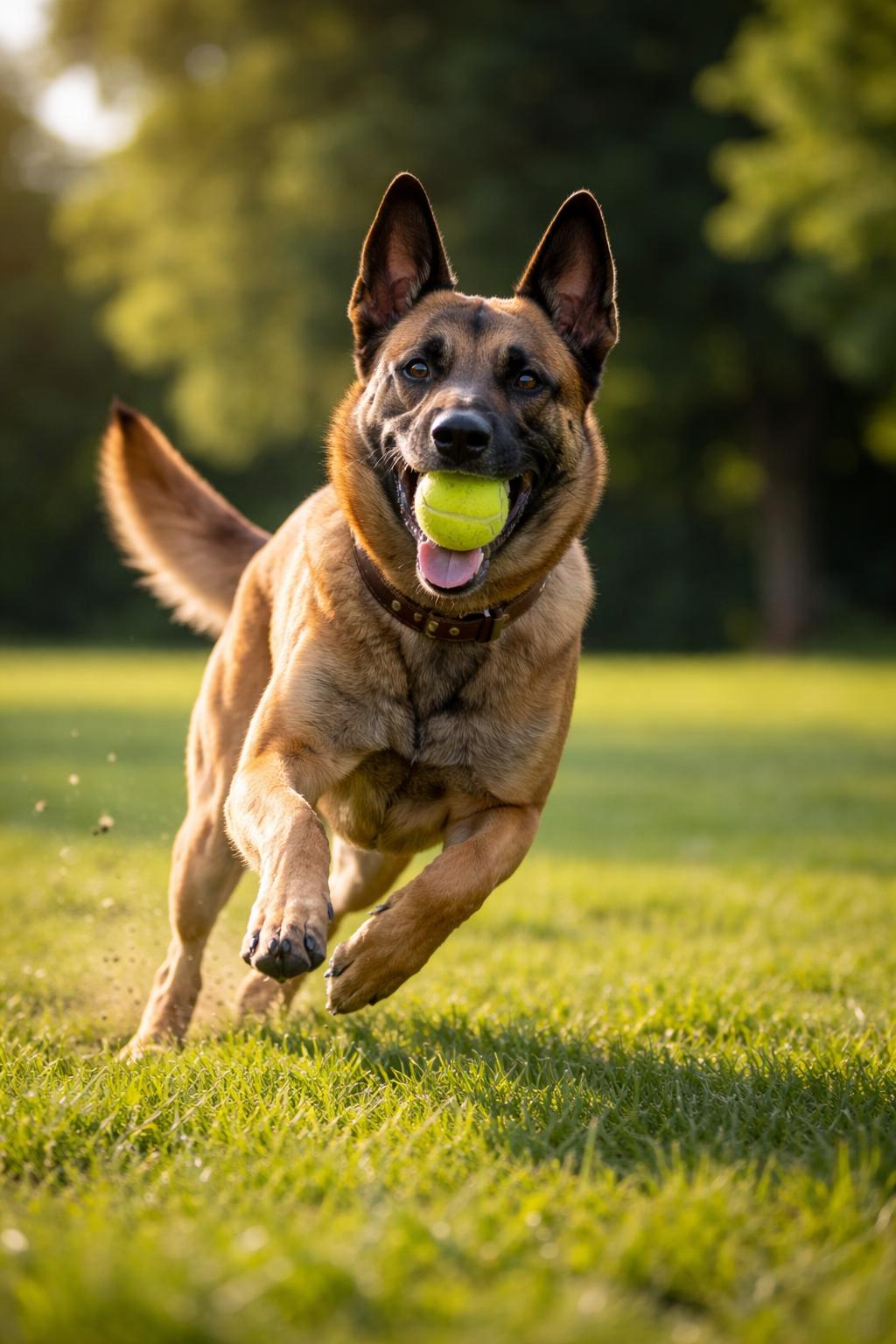
If you’ve ever wondered how much exercise belgian malinois need, then this guide is for you. We will introduce you to the exact amount of exercise your Belgian Malinois needs through different life stages. It will help the new owner learn which activities are good for this breed and how to make them pleasantly tired.
A Belgian Malinois is built for purposeful work, fast learning, and high-output movement. And when that daily need isn’t met, the energy doesn’t disappear. It usually shows up as pacing, barking, chewing, digging, or “inventing jobs” you didn’t assign.
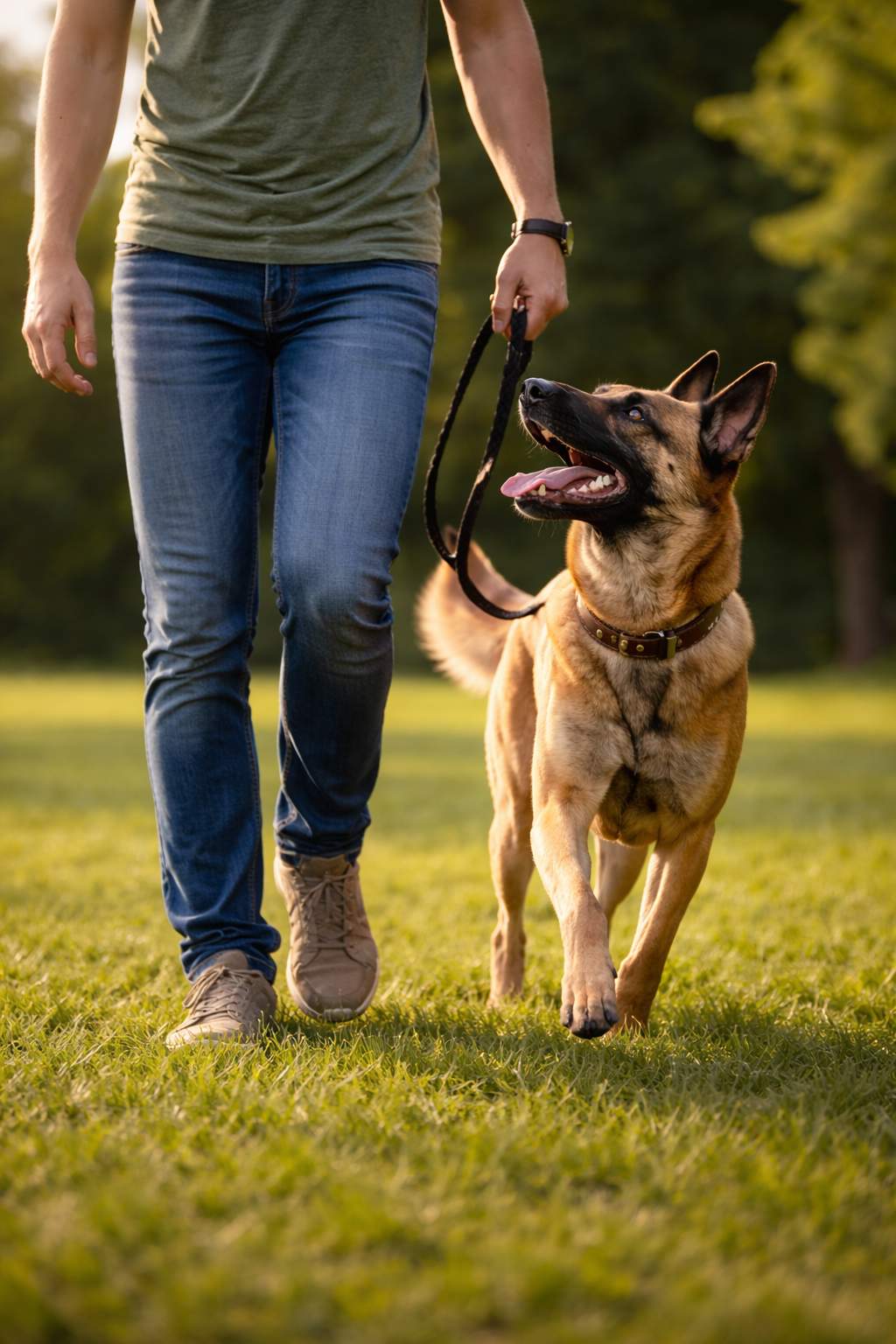
Why Malinois need “daily work,” not just a walk
Veterinary and breed care sources consistently describe the Malinois as a dog that benefits from daily strenuous exercise and thrives when its drive is channeled into real activities like tracking, agility, and structured work.
Two key points matter here:
- Consistency beats weekend marathons. VCA Animal Hospitals notes it’s better to do a shorter workout daily than one huge session once a week—progressive conditioning helps reduce injury risk and builds sustainable fitness.
- Mental work is not optional. Malinois need active engagement mentally and physically, and that a lack of exercise/stimulation can lead to destructive behavior. A Belgian Malinois who doesn’t get enough exercise and mental stimulation will tend to destroy your shoes, clothes, furniture and other home items. Mals simply love to be busy and they’re not good pick for first-time dog owners.
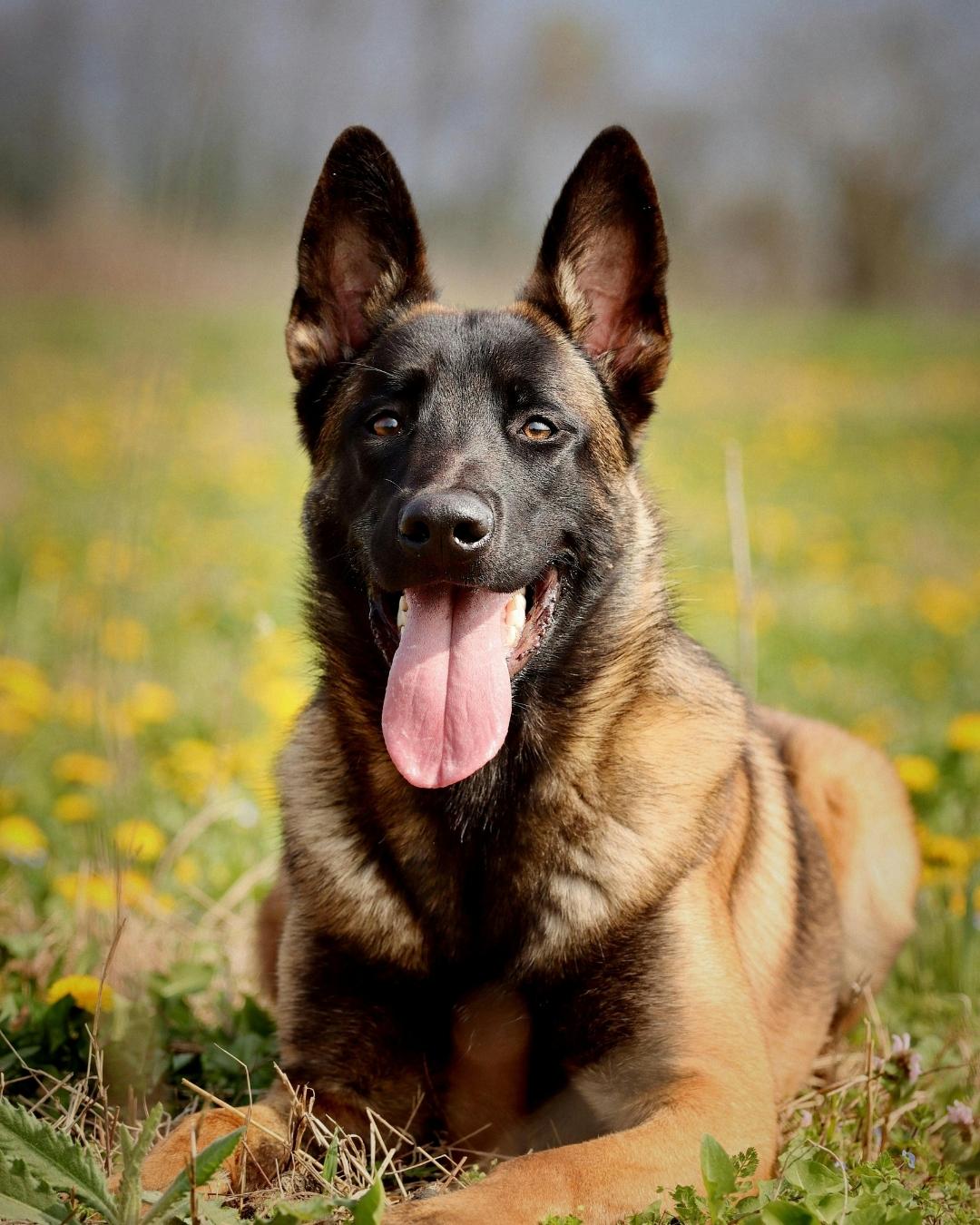
So instead of chasing one magic number, I recommend thinking in three buckets every day:
- Cardio / movement (run, hike, fetch intervals, agility-style drills). This type of activity helps Mals to spend pent-up energy.
- Strength + control (hill walks, tug-with-rules, stability work, obedience under distraction). Malinois are powerful dogs and this type of exercise will help them keep the focus. You certainly don’t want to walk a dog that will chase after a squirrel or a cat every time you go outside.
- Brain work (nosework, tracking games, problem-solving, training sessions). This is a good ‘’in-house’’ training because it helps your dog to work for his treats. Remember that rewarding is important, so you should always give your Mal a snack after a good job is done.
Approximate Belgian Malinois exercise needs by life stage
These are starting points. Individual drive, health, climate, and your dog’s off-switch training matter just as much.
| Life stage | Physical exercise (daily) | Mental work (daily) | What to focus on |
| Puppy (8–16 weeks) | 10–30 min total (split) | 10–20 min | Socialization walks, gentle play, tiny training sessions |
| Puppy (4–6 months) | 20–60 min total (split) | 15–30 min | Loose-leash skills, recall games, nosework, confidence building |
| Adolescent (6–18 months) | 60–120 min | 20–45 min | Controlled intensity, impulse control, structured games, sport foundations |
| Adult (18 months–7 years) | 90–150+ min | 20–60 min | Purposeful work: fetch intervals, tracking, agility, obedience chains |
| Senior (7+ years) | 45–90 min (lower impact) | 15–30 min | Joint-friendly movement, sniffing, gentle strength, short training |
Puppy safety note (don’t skip this)
Puppies have growth plates that are still developing, and strenuous/forced exercise can injure them. The Royal Kennel Club shares a common rule of thumb: about 5 minutes of formal exercise per month of age (up to twice daily) until fully grown.
And VCA Animal Hospitals specifically advises waiting until maturity for long jogs/hikes and high-impact jumping because growth plates are sensitive.
How much exercise do Belgian Malinois need as adults?
Most healthy adult Malinois do best with at least 60–90 minutes of purposeful activity, and many thrive closer to 90–150+ minutes when you include training, games, and brain work—not just leash walking.
You’ll also see some sources quote a “baseline” number (for example, more than 40 minutes per day). I treat that as a floor, not the finish line, for most Mals—especially young adults with high drive.
A simple readiness check I use
You’re in the right zone if, most days, your dog can:
- relax/nap after exercise
- respond to cues (sit/down/place) without constant bargaining
- show less frantic mouthiness, pacing, or “chaos loops” indoors
If your Mal looks physically tired but still mentally “wired,” you probably need more structured brain work, not more miles.
How to exercise a belgian malinois: a daily plan
Here’s a repeatable template that fits most schedules. The goal is to avoid one long session that creates a super-athlete and instead build balanced, daily outlets.
The “3-session” day (example)
Morning (20–35 min)
- brisk walk + sniff breaks (decompression)
- 5 minutes obedience (heel for 10 steps, sit-stay, release)
Afternoon (15–25 min)
- fetch intervals or tug-with-rules (short, intense bursts)
- 3–5 minutes impulse control (“out,” “wait,” “place”)
Evening (20–45 min)
- nosework / “find it” searches
- short training chain (2–3 behaviors linked together)
- cool-down walk
Upgrade (2–3 days/week)
Add one “sport-style” session: tracking line work, agility drills, or structured hiking.
What counts as “good exercise” for a Malinois?
Not all activity is equal. For this breed, quality and structure matter.
Great options
- Sniff walks (decompression walks): slower pace, lots of scenting = mental fatigue
- Fetch intervals: 10–20 second bursts, built-in breaks, obedience between throws
- Tug with rules: start/stop cues, “out,” “wait,” re-engage as a reward
- Agility-style conditioning: cones, direction changes, body awareness drills
- Tracking / scent work: “find it,” trail a hidden toy, box searches
- Training sessions: short, upbeat, reward-driven (5–10 minutes each)
Use caution
- Long running/cycling (especially with adolescents). It should be built gradually. Confirm maturity and your Mal’s health first.
- Endless high-impact fetch — can overload joints/soft tissue; choose intervals + rest
- Unstructured dog-park chaos — can create overstimulation instead of skill
Game and training ideas that satisfy a Belgian Malinois
This is the “secrets” section: Malinois aren’t tired from movement alone—they’re satisfied when they complete tasks.
1) The “Two-Toy Switch”
Throw toy A, recall, reward by releasing toy B. Builds drive + control.
2) Hide-and-Seek Recall
You hide indoors/outdoors, call once, reward heavily when found.
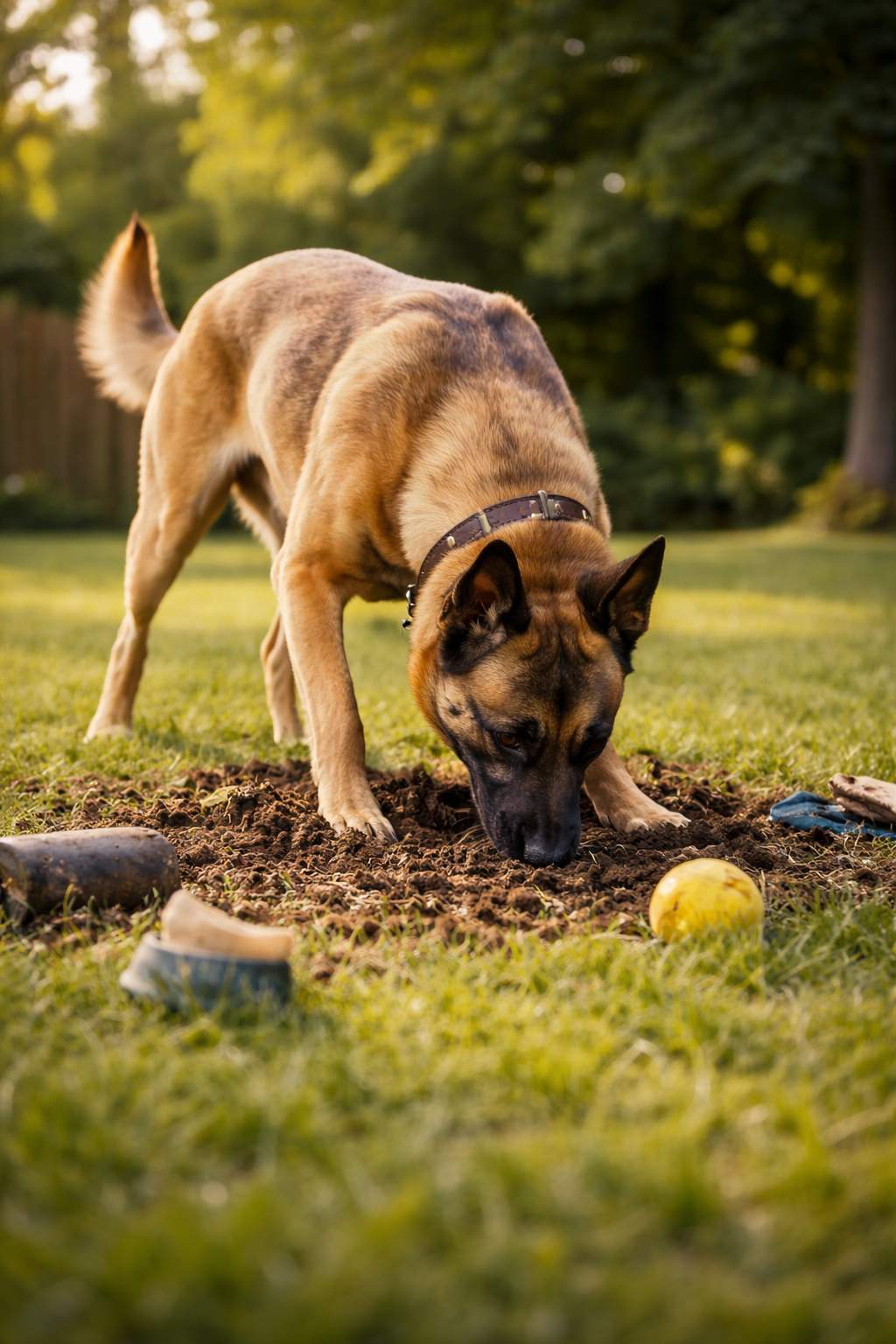
3) Box Search (DIY Nosework)
Place 6–10 boxes, hide a toy/treat in one, reward for finding it.
4) “Place” + Distraction Training
Teach a bed/mat stay while you move around, open doors, and bounce a ball.
5) Tug-with-Rules
Tug is the reward, not the free-for-all:
- cue “take”
- cue “out”
- cue “wait”
- re-release as reinforcement
6) Cone Drills (coordination + speed control)
Set up cones and practice:
- figure 8s
- quick turns
- stop/sit at cone #3
This is where agility equipment shines.
7) “Find the Toy” Scent Trail
Drag a toy through grass for 10–20 meters, hide it, then let your dog track.
8) Trick Chains
Teach 3 tricks and link them (spin → down → touch). Chains build focus fast.
9) Food Scatter on Grass
A simple sniffing game that lowers arousal and burns mental energy.
10) Threshold Manners
Practice “wait” at doors, gates, car doors. Calm exits = calmer sessions.
11) Carry a Job
Let your Mal carry a safe item on walks (light toy, training bumper) to add purpose.
12) Engagement Walks
Reward eye contact and loose leash with tiny play bursts or a treat.
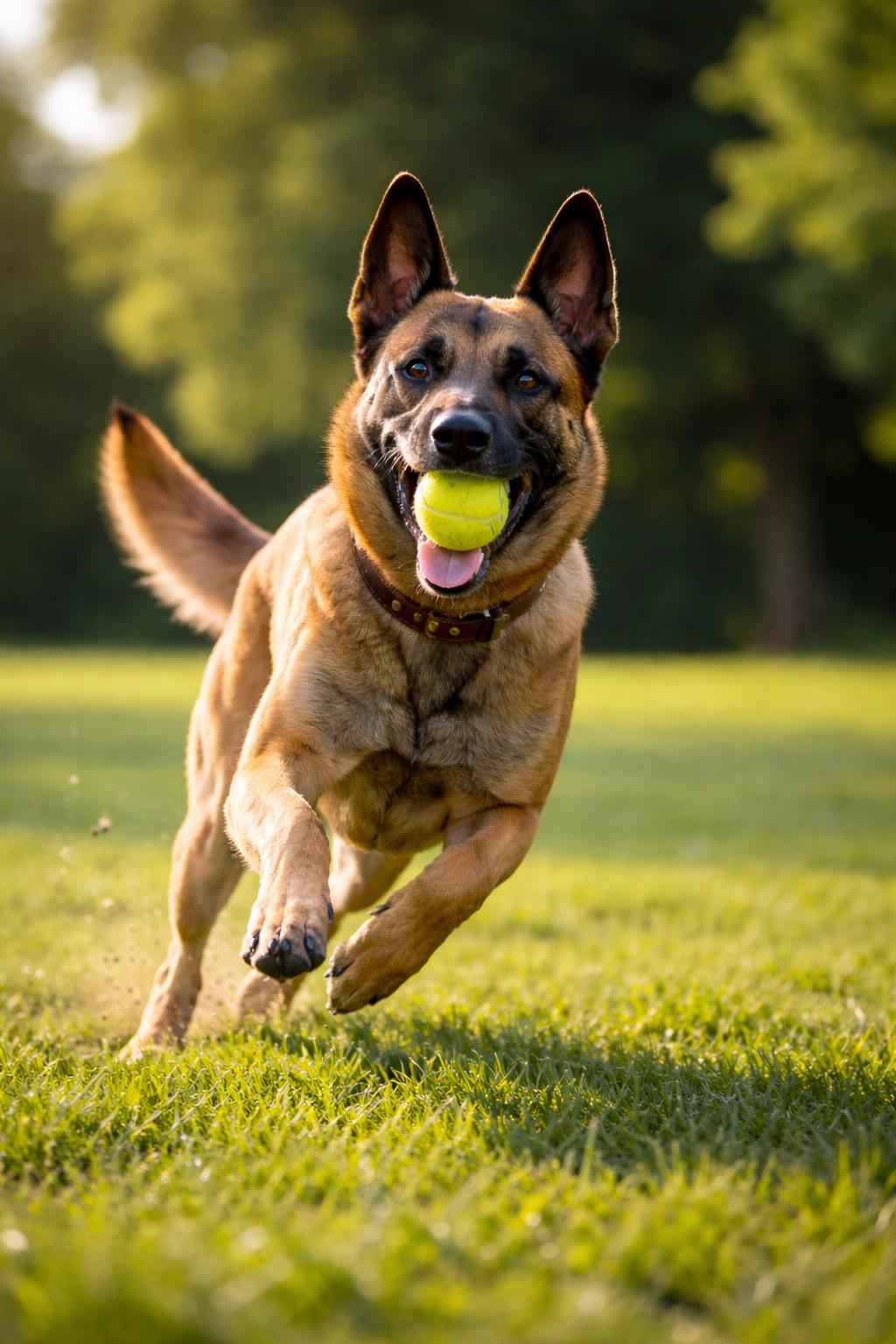
Toy recommendations from BelgianMalinois.store (built for drive + training)
If you want exercise that also improves obedience, the best “toys” are the ones that let you reward work with play—because motivation is everything.
Here are strong picks from Belgian Malinois Store:
- BMS™ Training Ball Toy – Great for reward-based obedience, engagement, and structured fetch sessions.
- Malinois Agility Cone Set – Perfect for DIY obstacle drills, coordination, direction changes, and “thinking while moving.”
- K9 Dog Biting Stick – A durable tug-style tool for interactive play, grip games, and controlled drive outlets (best used with clear rules like “out” and “wait”).
- “Bite Me” Dog Bite Sleeve – Useful for structured training play, but I strongly recommend using bite-sleeve work only with safe technique and, ideally, a qualified trainer/club—especially if you’re new to working breeds.
Safety + longevity: keep your Malinois athletic for life
A Malinois can go hard—your job is making sure “hard” stays healthy.
- Build gradually and stay consistent. Daily routines beat sporadic extremes.
- Protect puppies and adolescents from forced impact. Growth plates are sensitive. Avoid long jogs/hikes and repetitive high-impact jumping until maturity. Unfortunately, Mals are prone to hip injuries, so you need to be very careful when exercising them at a young age. Discover the list of the most common health problems Mals are prone to in our blog post: 9 Common Belgian Malinois Health Issues: Reasons & Treatment
- Watch recovery signals: limping, stiffness, reluctance to jump, behavioral crankiness after workouts = scale back and consult your vet if persistent.
- Don’t ignore the brain. Many “too much energy” problems are actually “not enough structure.”
FAQ
Is one long walk a day enough for Belgian Malinois
Usually not. Most Malinois need intensity + skills practice + mental work, not just distance. Belgian Malinois also need to play with toys and to be mentally busy. You can read what are the best toys for Mals in our blog post: What Are The Best Belgian Malinois Toys? 5 Types For Your Mal
How do I tire out my Malinois without running for hours?
Do 15 minutes of nosework + 10 minutes of obedience chains + 10 minutes of tug-with-rules. You’ll often see a better “off switch” than with a long run.
What is the best training for a Belgian Malinois?
The best training for a Belgian Malinois is reward-based, job-style training that combines obedience, impulse control, and daily mental work (like nosework) alongside structured exercise. Focus on essentials—recall, leash skills, “place,” “leave it,” and calm settling—and use tug/fetch as controlled rewards, not chaos.
How many hours of mental stimulation does a Malinois need?
Most Belgian Malinois do best with 30–60 minutes of mental stimulation per day. You should split it into short sessions (training, nose work, problem-solving) and layer it into walks and play. High-drive adults may need 60–90 minutes, while puppies need much less in tiny bursts.
What if my dog becomes destructive even after exercise?
That’s often a sign of missing mental engagement or inconsistent structure. Add training goals and problem-solving games, not just more cardio.
How much exercise does a Malinois puppy need?
Use the “5 minutes per month of age” guideline for formal exercise (up to twice daily), plus free play that the puppy can self-regulate.


 No products in the cart.