
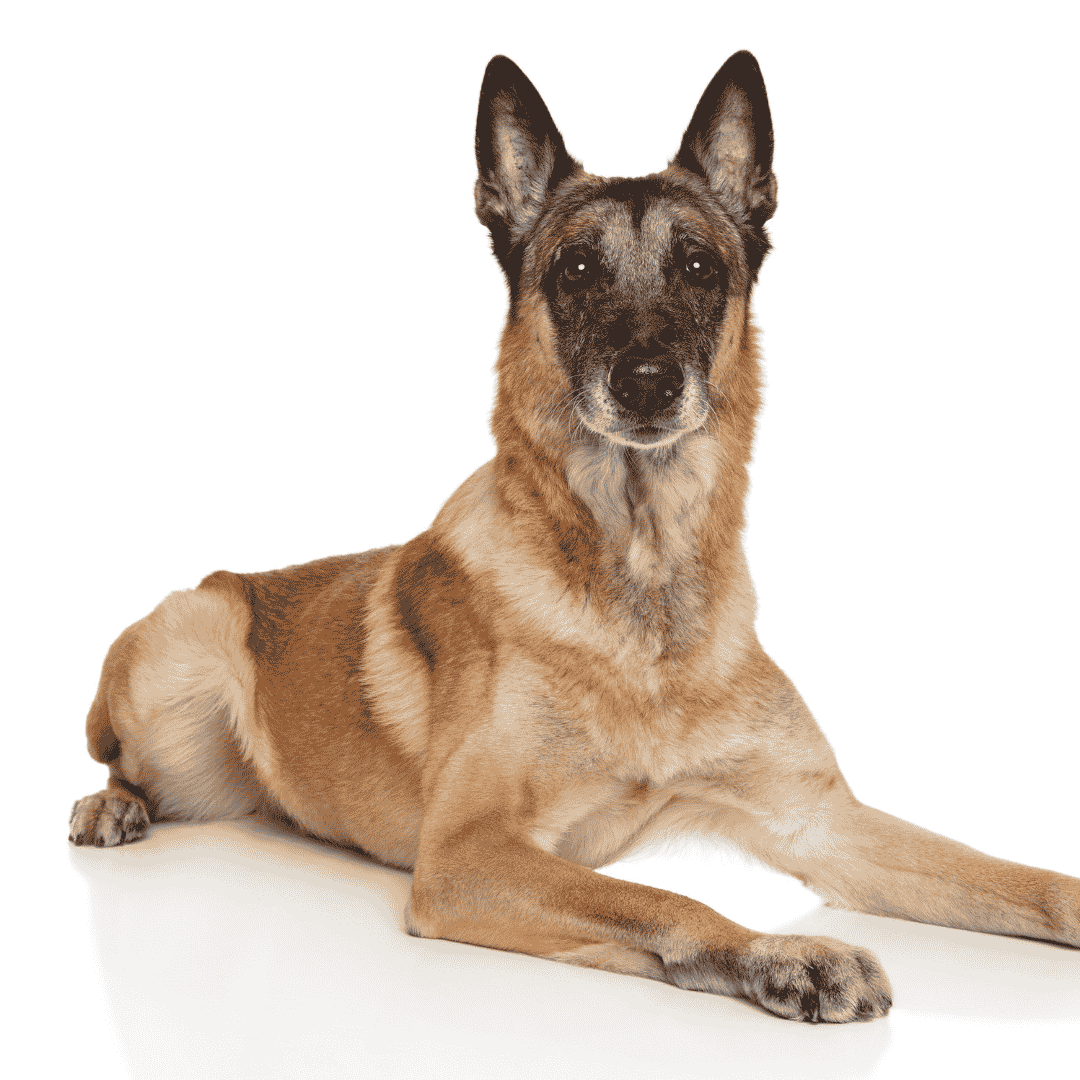
If you’ve noticed clumps of fur on your couch or bald patches appearing on your Belgian Malinois, you’re not alone. Belgian Malinois hair loss is one of the more common concerns I hear from Mal owners, and honestly, it can be unsettling — especially when you don’t know what’s causing it. The good news is that most cases are manageable once you figure out the root issue.
I’ve spent years working with Belgian Malinois and their owners, and I want to walk you through everything you need to know about coat loss in this breed: what’s normal, what’s a red flag, and when you should be calling your vet.
Is Some Hair Loss Normal in Belgian Malinois?
Yes, absolutely. Belgian Malinois are double-coated dogs and they shed — a lot. If you’re living with a Mal, you already know this. They go through two major shedding seasons per year (spring and fall), where the undercoat blows out in what can only be described as small tumbleweed quantities rolling across your floor.
That said, there’s a big difference between normal seasonal shedding and excessive or patchy hair loss that points to a health problem. Normal shedding happens gradually and evenly across the body. Abnormal hair loss, on the other hand, tends to show up as bald spots, thinning patches, or fur that comes out in chunks even outside of shedding season.
For a deeper dive into managing normal coat blowing, check out this guide on how to deal with Belgian Malinois shedding — it covers brushing routines, tools, and seasonal tips that make a real difference.
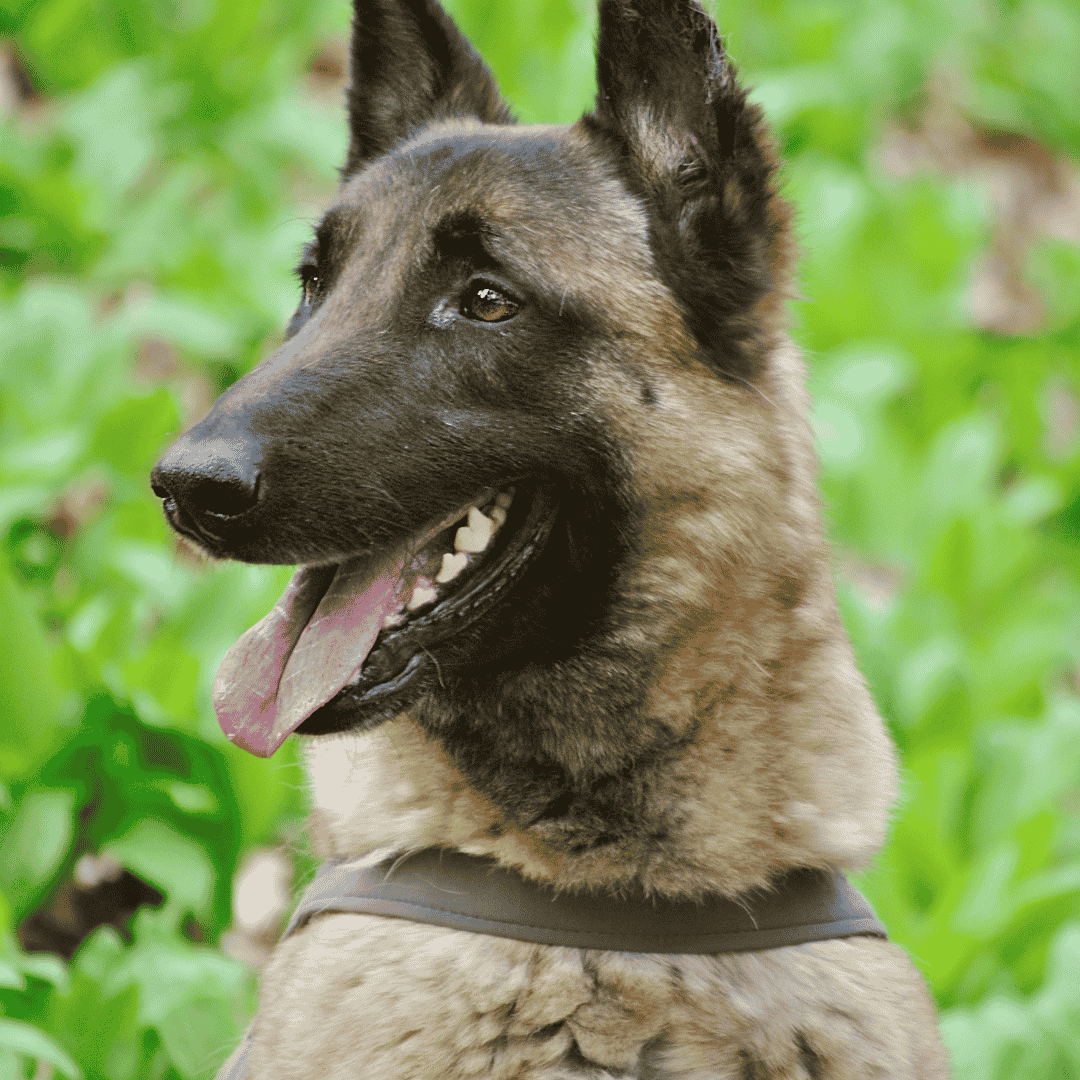
Common Causes of Belgian Malinois Hair Loss
1. Allergies
This is probably the number one cause of hair loss in Belgian Malinois that isn’t related to normal shedding. Allergies in Mals can be environmental (pollen, dust mites, mold) or food-related, and both types can trigger intense itching that leads to scratching, licking, and eventually fur loss — especially around the paws, face, belly, and ears.
You’ll often notice your dog chewing at the base of their tail or rubbing their face against furniture. Over time, that constant irritation leads to coat damage and bald patches. If you suspect allergies are behind your Mal’s coat issues, take a look at this helpful resource on allergies in Belgian Malinois for some practical management strategies.
2. Parasites: Mange and Fleas
Mange — caused by mites burrowing into the skin — is one of the more serious causes of canine hair loss. There are two main types: sarcoptic mange (highly contagious, causes intense itching and crusty skin) and demodectic mange (less contagious, often linked to immune system issues in younger dogs).
Flea infestations can also cause significant fur loss through a condition called flea allergy dermatitis (FAD). Even a single flea bite can trigger a reaction in sensitive dogs. Check your dog’s coat close to the skin — especially around the neck and base of the tail — for signs of fleas or flea dirt.
3. Fungal and Bacterial Skin Infections
Ringworm (despite the name, it’s a fungal infection) causes circular patches of hair loss with a scaly border. It’s contagious to both other pets and humans, so if you spot it, don’t wait on the vet visit.
Bacterial skin infections (pyoderma) can also cause patchy alopecia in dogs. These often develop secondary to another issue, like allergies or a wound that wasn’t treated properly. The affected skin may look red, crusty, or have small pimple-like bumps.
4. Hormonal Imbalances
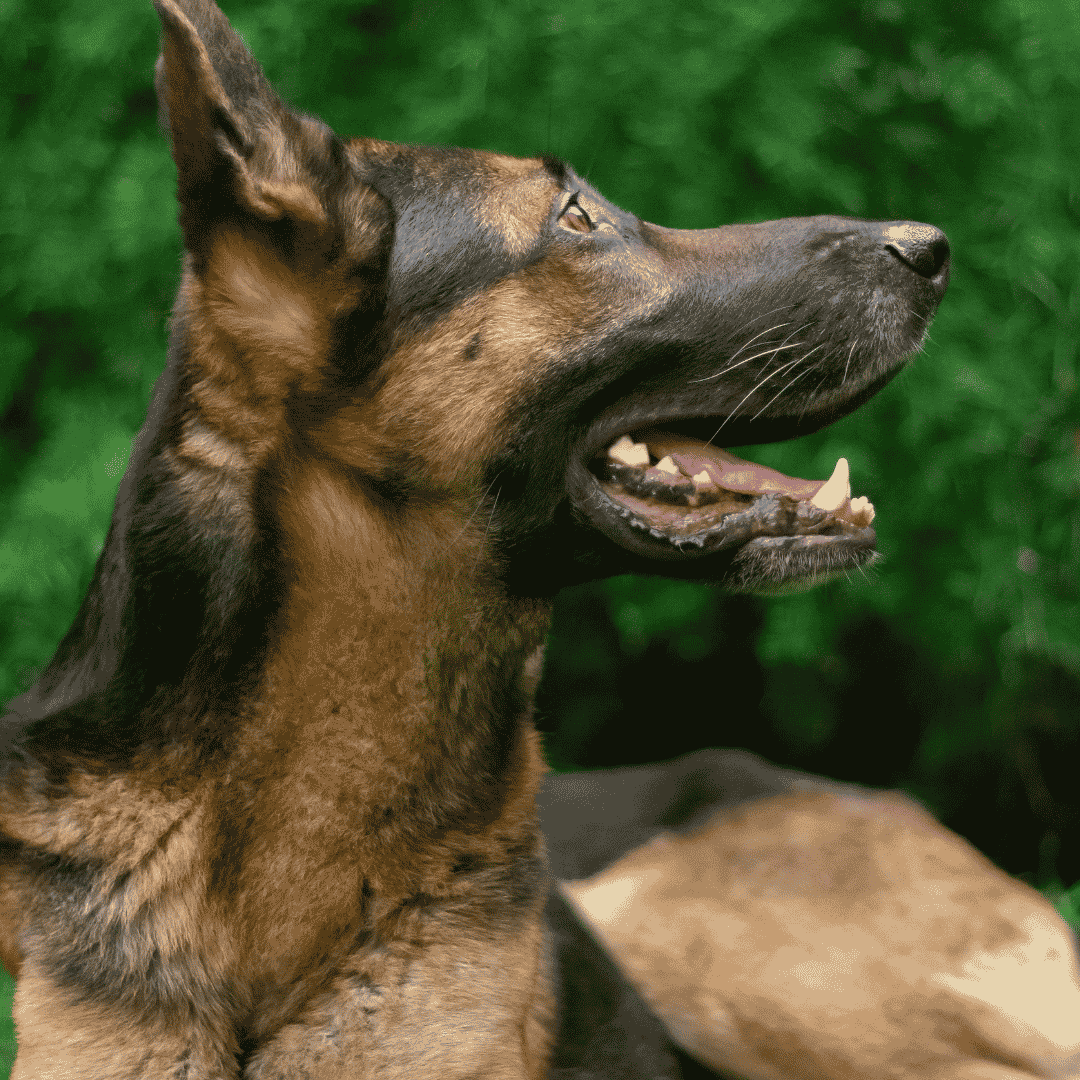
Hypothyroidism and Cushing’s disease (hyperadrenocorticism) are two hormonal conditions that commonly cause symmetrical hair loss in dogs — meaning the thinning happens evenly on both sides of the body. With hypothyroidism, you might also notice weight gain, lethargy, and a dull coat. Cushing’s often presents with a pot-bellied appearance, increased thirst, and muscle weakness alongside the coat changes.
Both conditions require a blood test to diagnose and are typically very manageable with medication once identified.
5. Nutritional Deficiencies
A Belgian Malinois on a poor-quality diet may develop a dull, brittle coat that sheds excessively. Deficiencies in omega-3 fatty acids, zinc, biotin, and protein are particularly associated with coat health issues. This is one reason why so many Mal owners are so particular about what they feed — the quality really does show up in the coat.
If your dog’s food has changed recently and you’ve noticed increased shedding or coat thinning, nutrition is worth looking into.
6. Stress and Anxiety
Belgian Malinois are high-drive, highly intelligent dogs. When they’re under-stimulated, anxious, or going through a significant change (new home, new pet, change in routine), some dogs develop stress-related alopecia. This can look like over-grooming, compulsive licking of specific spots, or diffuse thinning.
If your Mal is showing behavioral changes alongside the hair loss — pacing, whining, destructive behavior — stress may be a significant contributing factor.
What Does Problematic Hair Loss Look Like?
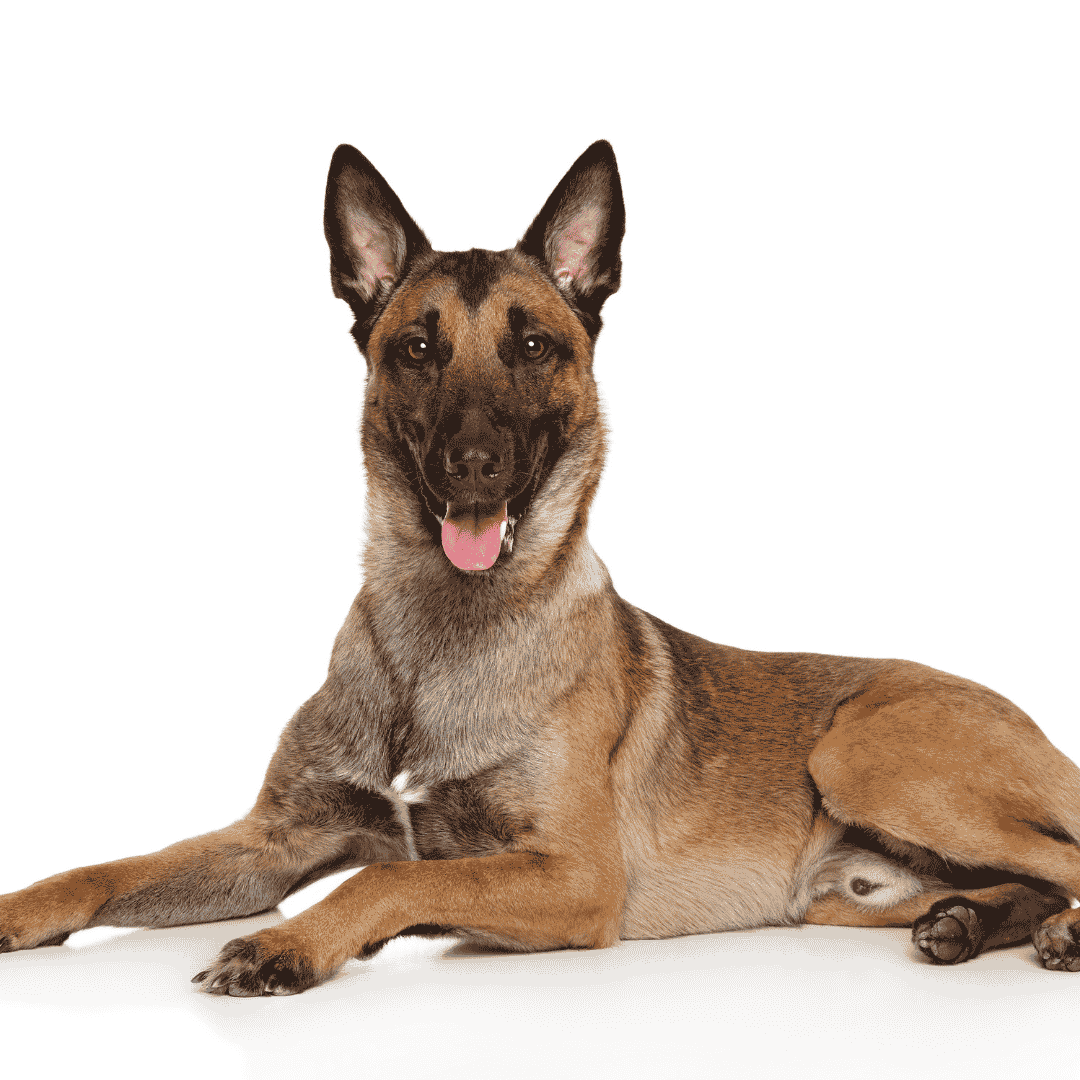
Here are the signs that should prompt a vet visit sooner rather than later:
- Circular or oval bald patches with or without redness
- Hair loss around the eyes, ears, or muzzle in a symmetrical pattern
- Itching, scratching, or chewing at affected areas
- Skin changes — redness, flaking, crusting, a foul smell, or discharge
- Sudden, rapid shedding that’s clearly beyond normal seasonal blowout
- Weight or behavioral changes alongside coat thinning
Don’t just Google your way to a diagnosis. Dr Google won’t give you the right answer and many conditions need to be checked by a vet. A lot of these conditions look similar on the surface, and the wrong treatment can make things worse. Your vet can do skin scrapings, allergy testing, and bloodwork to get to the bottom of it.
How to Support a Healthy Coat in Belgian Malinois
Even if there’s an underlying medical issue being addressed, these habits support overall coat health:
Regular grooming: Brush your Malinois at least two to three times per week, daily during shedding season. This removes loose fur, distributes skin oils, and lets you spot any changes early.
Use the right shampoo: Bathing your Mal with a shampoo formulated for dogs with sensitive skin or double coats can make a real difference. Harsh human shampoos strip the coat’s natural oils and worsen skin issues. If you’re unsure which product is right for your dog, this guide on the best shampoo for Belgian Malinois is a solid starting point.
Feed a quality diet: Look for foods with real meat as the first ingredient, adequate omega fatty acids, and no excessive fillers. Many Mal owners supplement with fish oil specifically for coat health — it’s simple and genuinely effective.
Address stress: Make sure your Mal is getting enough physical exercise and mental stimulation. These dogs need a job. They’re not lap lovers and as an owner of these pooches, you need to be ready for long walks, running, and chasing. Puzzle feeders, training sessions, and outlet activities go a long way.
FAQ: Belgian Malinois Hair Loss
Q: Is hair loss in Belgian Malinois always a sign of illness? Not always. Seasonal shedding is normal and can be heavy. It depends on many factors. For example- what your dog eats, genetics, and environmental allergens. However, if the hair loss is patchy, accompanied by skin changes, or happening outside of shedding season, it warrants a closer look.
Q: Can stress cause my Belgian Malinois to lose hair? Yes. Psychological stress can lead to over-grooming and compulsive licking, which causes localized hair loss. Addressing the behavioral root cause is key to resolving this type of alopecia.
Q: What is the fastest way to stop excessive shedding in a Belgian Malinois? Rule out medical causes first. Then focus on regular brushing, a high-quality diet with omega fatty acids, appropriate bathing frequency, and proper flea/parasite prevention. There’s no shortcut, but consistency gets results.
Q: Can I use human hair products on my Belgian Malinois? No. Human shampoos and conditioners are formulated for a different skin pH than dogs and can disrupt the skin barrier, worsening hair loss and irritation. Always use pet-specific products. Even baby shampoos can make your Mal feel itchy and ruin its skin barrier.
Q: How do I know if my Mal has mange? Mange typically causes intense itching, crusty or scaly skin, and bald patches that spread. It can even be transmitted to humans, so you need to be very careful about it. It requires a vet diagnosis through skin scraping. Don’t try to treat suspected mange at home — it needs proper medication.
Q: Should I see a vet dermatologist for my Malinois’s coat issues? If your regular vet hasn’t been able to identify the cause after initial testing, a veterinary dermatologist is a great next step — especially for complex allergy cases or recurring skin infections.


 No products in the cart.